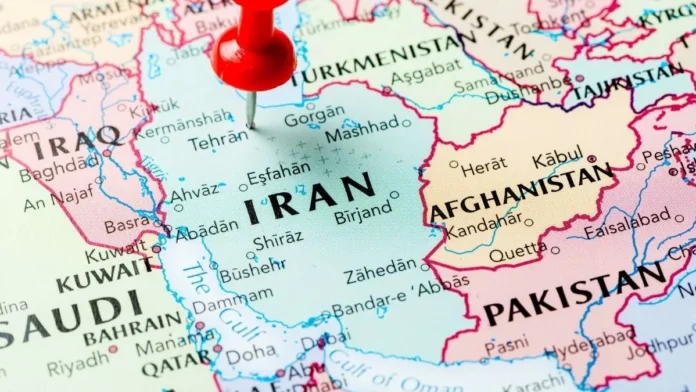

Large crowds of students have taken to the streets of Iran’s capital, chanting anti-government slogans such as “death to dictator,” in some of the most intense demonstrations since earlier waves of unrest.
Video footage shared by news outlets shows packed crowds at Tehran’s top engineering universities, including Sharif University of Technology, with protesters calling for political reforms and challenging authorities.
Origins of the Protests
The protests are rooted in longstanding grievances over economic stagnation, political repression, lack of civil liberties, and deepening frustration among youth. University campuses have historically served as focal points for political activism in Iran, and this latest wave signals renewed vigour among young activists.
Chanting slogans such as “death to dictator” and other anti-establishment messages, students explicitly challenged the leadership of the ruling clerical hierarchy and called for broader freedoms.
Government Response
Security forces reportedly moved to contain protests, though details of confrontations and arrests remain limited due to government controls on media coverage within Iran. Analysts say the state seeks to avoid wide-scale violence, but also aims to prevent protests from spreading further geographically.
Symbolic and Political Significance
Student protests in Tehran carry symbolic weight. They represent a youth cohort that has grown up amid economic limitations and tightened political freedoms. Their presence in public spaces, especially during periods of heightened geopolitical pressure on Iran over nuclear negotiations and sanctions, adds a layer of domestic complexity to already strained governance dynamics.
International observers note that Iran’s internal stability — or lack thereof — can influence external negotiations and perceptions of regime legitimacy, especially as Tehran engages in high-stakes dialogues with Western powers.
Why It Matters
- Domestic stability: Persistent unrest reflects deep-seated socio-economic challenges.
- Regional implications: Internal polarization can affect Iran’s foreign policy posture and responses to external pressure.
- Generational change: Young protesters symbolize changing demographics and aspirations that may diverge from traditional power structures.
What to Watch Next
- The scale and duration of protests outside academic campuses.
- Government crackdowns and arrests.
- Signals from reformist political actors inside Iran.
- Links between domestic dissent and international negotiations.
Takeaway
Mass student protests in Tehran reflect growing unrest beneath Iran’s surface politics. The demonstrations highlight tensions between a youthful population seeking change and an establishment determined to retain control — a dynamic with implications far beyond national borders.