
India has issued a strong condemnation of Pakistan’s overnight airstrikes inside Afghan territory, saying the operation resulted in civilian casualties including women and children, and was particularly reprehensible given that it occurred during the holy month of Ramadan.
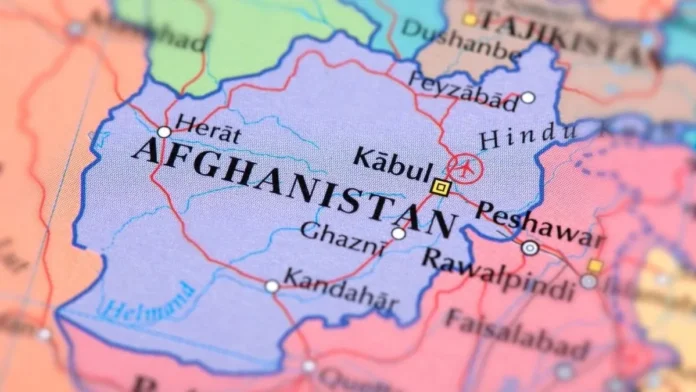
The strikes, which Pakistan officials described as targeting “terrorist hideouts,” hit residential zones in eastern provinces of Nangarhar and Paktika. Afghan authorities, however, reported that schools and civilian homes were struck, leading to multiple deaths and injuries.
What Happened
According to official statements released on Sunday, India’s Ministry of External Affairs spokesperson Randhir Jaiswal said India “strongly condemns Pakistan’s actions inside Afghanistan,” emphasizing the loss of innocent lives. The Indian statement said the timing of the operation was deeply troubling, occurring in the midst of Ramadan — a period observed by many with reflection, fasting, and prayer.
Pakistan’s military, on the other hand, characterized the mission as a successful offensive against militant hideouts responsible for recent suicide bombings inside Pakistan. Islamabad claimed that 70 terrorists were neutralized during the air assaults, which hit at least seven locations.
Civilian Toll and Local Response
Afghan defence officials reported that dozens of civilians, including women and children, were killed or wounded in the strikes. Images circulated on social media and local news outlets showed damaged homes, destroyed infrastructure, and distraught residents searching rubble for family members.
Local elders in Nangarhar province criticized both sides of the conflict. “Our region sees violence from all directions, but nothing justifies targeting homes and children,” one elder told local correspondents.
Ramadan Timing Draws International Scrutiny
Ramadan is a sacred period for Muslims worldwide. Attacks during this time often heighten public sensitivities and draw diplomatic backlash. India’s condemnation explicitly referenced the timing, framing the strikes as not only a violation of sovereignty but also a deviation from humanitarian norms.
Several Afghan civic organizations have called for international investigation and relief support for affected families.
Regional Diplomatic Fallout
India’s statement comes as New Delhi seeks to position itself as a responsible regional power. Indian officials have expressed concern that cross-border military actions can destabilize an already fragile Afghanistan, which continues to grapple with internal insurgencies and economic challenges.
Afghanistan’s Ministry of Defence repeatedly denied that domestic territory was harbouring groups launching attacks into Pakistan. The government said it was committed to security cooperation with neighbours but stressed civilian protection as paramount.
Pakistan’s government did not immediately respond to detailed queries about civilian casualty figures or independent verification.
Security Analysts Weigh In
Security experts say the strikes underscore several enduring tensions:
- Unresolved trust deficits between Afghanistan and Pakistan over militant group movements.
- Competing narratives on militant sanctuaries versus civilian harm.
- Ramadan sensitivities, which amplify public reaction and complicate diplomatic efforts.
A senior regional security analyst told LoudFact that “this episode highlights how Afghanistan’s internal security landscape continues to have wider repercussions, and how missteps — especially during religious periods — can escalate diplomatic tensions.”
Why It Matters Now
This incident comes at a time of:
- Growing global focus on counter-terrorism cooperation.
- Regional energy and trade interests in South and Central Asia.
- Ongoing humanitarian needs inside Afghanistan.
India’s vocal response may signal a more assertive diplomatic posture toward regional violence that impacts civilians.
What Comes Next
Observers will be watching:
- Whether Pakistan provides transparent evidence of militant targets.
- Responses from Afghanistan’s allies and international agencies.
- Whether civilian harm will prompt humanitarian investigations.
- Diplomatic engagements between Islamabad, Kabul and New Delhi.
The international community may also weigh in through the UN and regional bodies, calling for restraint and protection of civilians.