
US Central Command on Tuesday said its forces had redirected 89 commercial vessels as part of the “total enforcement” of the US blockade against Iran.
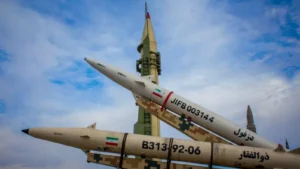
Iran has been treating the period of ceasefire with the US as wartime and using it to strengthen its combat capabilities, the army spokesman said on Tuesday.
Both statements appeared on the same Tuesday. Both are confirmed. Both are describing what the ceasefire has actually been: not a pause in the conflict but a period in which both sides are continuing to compete — the US through naval blockade, Iran through military rebuilding.
The US Blockade at 89 Ships
The progression of the blockade’s vessel redirection count tells the story of its operational intensification:
6 ships in the first 24 hours (April 13). 13 by April 15. 23 by April 18. 33 by April 24. 38 by April 27. 48 by May 5. 89 by May 19.
The doubling from 48 to 89 in two weeks reflects CENTCOM’s shift to what it is calling “total enforcement” — a more aggressive interception posture that is turning back more vessels, including some that the early blockade allowed to proceed. The economic pressure this represents is substantial: 89 ships over six weeks is an average of approximately 15 vessels per week consistently denied access to Iranian ports.
The United States seized an Iran-linked oil tanker in the Indian Ocean overnight as President Donald Trump threatened to resume military strikes on Iran, the Wall Street Journal reported, citing three US officials.
Simultaneously seizing an Iran-linked tanker in the Indian Ocean while redirecting vessels in the Gulf represents a geographic expansion of the blockade beyond the immediate Persian Gulf theater — a signal that CENTCOM is tightening the maritime noose on Iranian commerce globally, not just regionally.
Iran’s Military Rebuilding
Contrary to statements made by Trump administration officials that Iran’s missile stockpile has been destroyed, classified U.S. intelligence assessments of Iran’s military capacity have revealed that it has regained access to key missile sites and launchers.
Iran’s army spokesman’s Tuesday confirmation that the ceasefire has been used to rebuild combat capabilities is the most explicit official acknowledgment of what US intelligence has been reporting for two weeks. Iran has used 42 days of ceasefire — no US-Israeli airstrikes, no destruction of infrastructure being rebuilt — to restore the capabilities that Operation Roaring Lion degraded.
IRGC spokesperson Ebrahim Zolfaghari warned that US military bases in the southern Persian Gulf would be “deactivated.”
“Deactivated” — the IRGC’s word for what it threatens to do to US bases in Qatar, Bahrain, Saudi Arabia, and the UAE if Trump resumes strikes. That threat, combined with confirmed missile rebuilding, is why the Gulf states are asking Trump to hold off: they are the potential targets of the Iranian retaliation that resumed strikes would trigger, using the rebuilt missile capacity that the ceasefire has allowed Iran to restore.
The paradox of the ceasefire is visible in those two numbers — 89 ships redirected and combat capacity rebuilt. The ceasefire is succeeding economically for the US (the blockade is tightening) and failing militarily (Iran is rebuilding). Both trends are on trajectories that make a deal more urgent. Whether “more urgent” produces a deal before Tuesday’s Situation Room produces a strike order is the central question the next 48 hours will answer.