
The US military struck Iranian Revolutionary Guard targets along the Strait of Hormuz for a second time this week, and Iran responded by firing missiles and drones at multiple sites across the region, as an intermittent war between the two countries flared once more nearly seven months after it began.
What Happened
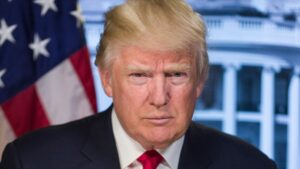
US Central Command confirmed American forces began striking Iranian Revolutionary Guard Corps targets again Tuesday, with President Trump announcing the operation on social media and calling the strikes “large and powerful.” Trump said the action was a response to an Iranian attempt to mine the Strait of Hormuz, as well as a missile attack against a US military base in Jordan that occurred over the weekend. Tehran responded by firing missiles and drones at various sites across the region.
Trump said the strait was now clear of mines, and he met Tuesday with executives from oil and gas companies at the White House specifically to discuss ways to bring down US gas prices amid the renewed conflict. Despite Trump’s assurance that the strait had been cleared, oil prices rose again Tuesday, extending gains from the prior session when American forces first struck Iranian rocket launchers on Larak Island, ending a month-long pause in direct fighting.
The renewed hostilities followed the collapse of a temporary ceasefire deal the two countries had signed in June, which failed to hold beyond its initial weeks. Alongside the military escalation, the Trump administration continued applying economic pressure through its recently launched “Operation Economic Outcast” sanctions campaign, with Treasury Secretary Scott Bessent reiterating the administration’s intent to isolate Iran’s economy.
Why It Matters
The pattern of alternating strikes and pauses, now stretching across nearly seven months, illustrates how the US-Iran conflict has settled into a sustained, intermittent war rather than either a decisive resolution or a genuine ceasefire, with each side periodically escalating and de-escalating without producing a lasting diplomatic breakthrough.
Trump’s specific framing of the strikes as a response to attempted mining of the Strait of Hormuz underscores the conflict’s continued centrality to global energy security, given the waterway’s role carrying roughly a fifth of the world’s oil and liquefied natural gas trade, a threat that directly explains why oil prices have remained so sensitive to every development in the conflict throughout 2026.
Trump’s meeting with oil executives specifically to discuss lowering gas prices reflects the genuine domestic political pressure the administration faces from a war that continues to affect American consumers directly through energy costs, even as the administration simultaneously pursues military and economic pressure strategies that have repeatedly driven those same prices higher in the near term.
Context and Background
This week’s exchange follows a similar pattern seen throughout the conflict since it began in late February: periods of relative calm, sometimes lasting weeks, followed by renewed strikes triggered by specific provocations, including missile attacks, blockade violations, or mining attempts, before both sides again pull back toward a fragile pause.
The June ceasefire’s collapse mirrors an earlier memorandum of understanding reached in the same month that similarly failed to produce lasting de-escalation, with fighting resuming within weeks on each occasion, a pattern that has left markets and regional governments increasingly skeptical of any individual announcement of progress.
The renewed strikes come as Treasury’s Operation Economic Outcast sanctions campaign continues expanding its target list of Iran-linked entities and vessels, running in parallel with the military escalation as part of the administration’s stated dual strategy of sustained economic and military pressure on Tehran.
Analysis
Regional security analysts note that the specific triggers cited for this week’s escalation, an attempted mining operation and a missile strike on a US base, represent direct threats to core US interests in the region, suggesting the strikes reflect genuine operational necessity rather than purely symbolic escalation.
Energy market analysts point to oil’s continued rise even after Trump’s assurance the strait had been cleared as evidence that markets remain skeptical of any single reassurance given the war’s demonstrated pattern of rapid reversal, preferring to price in continued risk premium until a more durable resolution materializes.
Some foreign policy analysts note the juxtaposition of Trump’s meeting with oil executives on the same day as renewed strikes as illustrating the fundamental tension in the administration’s approach: pursuing continued military pressure on Iran while simultaneously seeking ways to shield American consumers from that same pressure’s energy market consequences.
What Happens Next
Markets and regional governments will continue monitoring whether this week’s exchange represents another temporary flare-up within the established pattern or a more sustained resumption of large-scale conflict. Continued volatility in oil prices remains likely given the demonstrated sensitivity of energy markets to any development in the war.
The Treasury’s ongoing sanctions campaign is expected to continue in parallel with military developments, while Trump’s outreach to oil industry executives suggests the administration will continue seeking ways to manage the domestic economic fallout from the conflict even as it maintains its dual military and economic pressure strategy against Tehran.