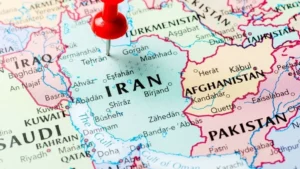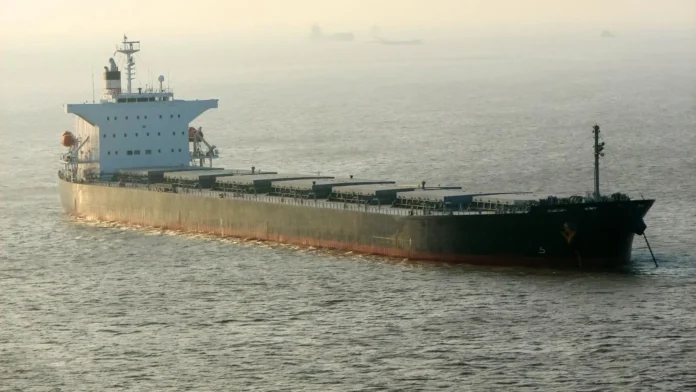

Vessel traffic through the Strait of Hormuz has fallen to just seven ships a day, a small fraction of the roughly 125 large commercial vessels the waterway handled daily before the war began, according to ship-tracking data released this week, even as Saudi Arabia’s alternative Red Sea export route shows signs of partial recovery.
What Happened
Ship-tracking data cited by Reuters showed vessel transits through the strait fell to seven on Wednesday, down from 12 the previous day and below the 10-day moving average of 14, with four vessels exiting and three entering. Among the exits was the very large crude carrier Finland Prosperity, carrying nearly 2 million barrels of crude, while no liquefied natural gas tankers left the strait that day. Analysts caution the true figures could be higher, since some vessels are believed to be transiting with their transponders deliberately turned off to avoid detection amid the ongoing conflict.
Before the war began on February 28, the strait typically handled about 125 large commercial vessels daily, including tankers, gas carriers, bulk carriers, and container ships, accounting for roughly a fifth of the world’s daily crude oil and liquefied natural gas supply. A US naval blockade of Iran-related shipping, reimposed in mid-July, has halted Iranian crude oil exports specifically, contributing significantly to the sustained collapse in overall strait traffic.
Meanwhile, Saudi Arabia’s crude and condensate loadings at the Red Sea port of Yanbu, a key hub allowing exports to bypass the Strait of Hormuz entirely, have rebounded in September after hitting a six-month low in August, according to ship-tracking data from Kpler and Vortexa. Yanbu loadings rose to roughly 3.7 million barrels per day in September from 3.2 million in August, per Vortexa data, though Kpler’s independent estimate put the September figure lower at 2.9 million barrels per day, still up from just 1.5 million in August by that measure.
Why It Matters
The scale of the traffic collapse, now regularly falling to single digits compared with the pre-war average of 125 vessels daily, illustrates the severity and persistence of the disruption to one of the world’s most critical energy shipping corridors more than six months into the conflict, with implications for global energy supply that extend well beyond the immediate region.
Saudi Arabia’s growing reliance on the Yanbu Red Sea route as an alternative to Hormuz reflects a broader structural adaptation occurring across the region’s energy infrastructure, though this shift itself carries new risks given that the parallel collapse of the 2022 Yemen truce and the Houthis’ complete takeover of the Bab al-Mandab strait this week threatens the security of that same alternative route.
The use of “shadow fleet” tactics, including vessels operating with transponders deliberately disabled, complicates accurate assessment of the true scale of ongoing oil trade through the region, suggesting that official tracking data likely understates actual shipping activity even as it captures the dramatic decline in verified, transparent transit through the strait.
Context and Background
The US blockade of Iranian ports, first imposed in April and reimposed in mid-July after an earlier pause, has directly targeted Iran’s oil export capacity as part of the broader American pressure campaign against Tehran, with the naval blockade working in tandem with the Treasury Department’s expanded “Operation Economic Outcast” sanctions campaign launched earlier this month.
Hormuz traffic has fluctuated significantly throughout the six-month war, previously falling to similarly low single-digit levels in late July before partially recovering during periods of relative calm, illustrating a now-established pattern in which traffic levels closely track the conflict’s alternating phases of escalation and de-escalation.
The Bab al-Mandab strait, Saudi Arabia’s alternative Red Sea export route via Yanbu, has itself come under new pressure this week following the Houthis’ complete takeover of the strait and Yemen’s entire Red Sea coastline, raising fresh questions about whether the Yanbu rebound can be sustained given the deteriorating security situation along that route as well.
Analysis
Energy market analysts note that Saudi Arabia’s ability to redirect meaningful export volume through Yanbu demonstrates some degree of regional infrastructure resilience, even as the scale of the shift, still well below the kingdom’s overall production capacity, indicates the Red Sea route cannot fully substitute for normal Hormuz-based export volumes.
Shipping industry analysts point to the growing prevalence of shadow fleet tactics, including transponder manipulation, as reflecting how deeply the conflict has reshaped normal commercial shipping practices in the region, with implications for insurance, safety, and transparency that are likely to persist even if the underlying conflict eventually de-escalates.
Some analysts caution that the near-simultaneous disruption of both the Strait of Hormuz and the Bab al-Mandab area, following this week’s Houthi takeover, represents an unprecedented compounding of risk across the region’s two most critical maritime chokepoints, a combination with potentially severe implications for global energy security if both remain significantly constrained for an extended period.
What Happens Next
Monday’s planned meeting between Iran and Gulf Cooperation Council states in Oman will be closely watched for any signs of progress toward restoring more normal Hormuz shipping conditions, though officials have cautioned no signed agreement is expected immediately. Continued monitoring of both the Hormuz and Bab al-Mandab situations will remain critical for assessing near-term global energy supply risk.
Markets will continue tracking Saudi Arabia’s Yanbu loading volumes as a key indicator of the kingdom’s ability to maintain export levels despite the Hormuz disruption, particularly given the new uncertainty introduced by the Houthis’ expanded control over Red Sea shipping routes this month.