
Oman announced Sunday that Monday’s planned meeting between Iran and Gulf Cooperation Council states over the future of the Strait of Hormuz has been postponed, dealing a setback to the first attempt at direct multilateral engagement between Tehran and its Gulf neighbors since the war began more than six months ago.
What Happened
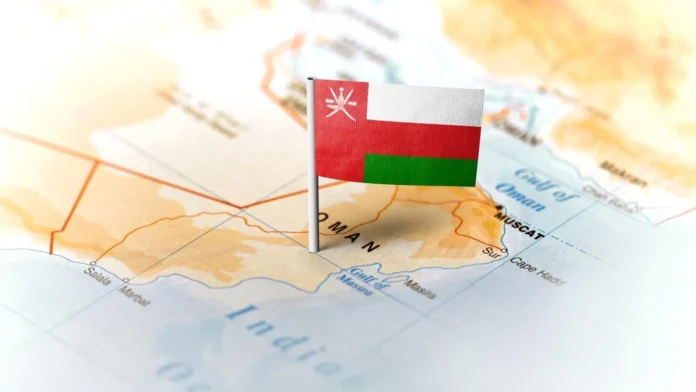
Omani Foreign Minister Badr Albusaidi said in a post on X that the planned gathering in the coastal city of Salalah had been postponed “in the interests of consensus,” without specifying a new date or detailing what disagreements prompted the delay. The meeting, which Iran’s Foreign Ministry had confirmed attending just days earlier, was intended as the first formal, direct engagement between Tehran and the full six-nation GCC bloc since fighting began on February 28.
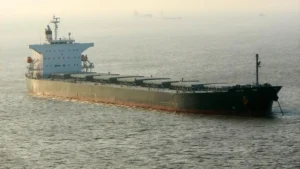
Iranian state media separately reported that an Iranian ship was attacked in the Strait of Hormuz, according to ABC News, underscoring the continued volatility surrounding the waterway even as diplomatic efforts to manage its future proceeded in parallel. President Trump, speaking Sunday, again said the broader conflict with Iran would end after November’s midterm elections, while also claiming that Tehran wants to reach a deal.
Bahrain had already announced Saturday it would not attend Monday’s meeting until diplomatic relations with Iran are restored, a boycott that may have contributed to Oman’s decision to postpone the broader gathering rather than proceed without full Gulf participation. A senior Iranian official had cautioned even before the postponement that no signed agreement was expected to emerge from the meeting regardless of its outcome.
Why It Matters
The postponement illustrates how difficult it remains to achieve even preliminary, non-binding diplomatic engagement between Iran and its Gulf neighbors, given that Bahrain’s boycott alone appears to have been sufficient to derail a meeting that had already been carefully scaled back to modest, exploratory expectations.
The reported attack on an Iranian ship in the strait on the same day underscores the persistent gap between diplomatic gestures and the physical security situation on the water, a pattern that has recurred throughout the conflict whenever incremental diplomatic progress has coincided with continued military and paramilitary activity in the waterway itself.
Trump’s continued insistence that the war will end specifically after the midterm elections, a claim he has now repeated on multiple occasions, keeps the conflict’s political timeline squarely tied to the US domestic electoral calendar, a framing that Chatham House analyst Sanam Vakil has suggested may itself be shaping Iran’s own strategic calculations about how long to hold out.
Context and Background
Monday’s meeting had been called at Oman’s initiative as part of its long-running effort, alongside bilateral talks with Iran specifically, to establish a framework governing commercial shipping through the strait, building on weeks of Iran-Oman negotiations that had reportedly progressed toward a temporary corridor arrangement in recent weeks.
The Strait of Hormuz has remained largely closed to normal shipping since the war began, with vessel traffic recently falling to single digits daily compared with a pre-war average of roughly 125 vessels, reflecting the sustained severity of the disruption even as periodic diplomatic announcements have suggested incremental progress toward some resolution.
Bahrain’s specific conditioning of its participation on restored diplomatic relations with Iran reflects the bilateral tensions that persist even within the GCC’s broader, more unified public stance toward Tehran, illustrating that Gulf unity on the Iran question remains more fragile than official statements often suggest.
Analysis
Regional diplomacy analysts note that Oman’s choice to postpone rather than proceed with a partial Gulf delegation suggests the country places significant value on presenting a fully unified GCC position when eventually engaging Iran, even at the cost of near-term delay, given the symbolic and practical importance of collective Gulf buy-in to any eventual Hormuz arrangement.
Some analysts point to the reported ship attack occurring the same day as the postponement as a reminder that the security situation in the strait continues to evolve independently of the diplomatic calendar, meaning further incidents remain likely regardless of whether or when the postponed meeting is eventually rescheduled.
Foreign policy observers continue to debate Trump’s specific midterm-linked timeline for the war’s resolution, with some viewing it as genuine strategic confidence and others, echoing Vakil’s assessment, suggesting Iran may have concluded that outlasting the US electoral calendar represents a more promising path than continued negotiation with the current administration.
What Happens Next
Oman and Gulf officials are expected to work toward rescheduling Monday’s postponed meeting, though no new date had been announced as of the latest reports, with Bahrain’s continued boycott likely to remain a complicating factor unless diplomatic relations between Manama and Tehran show signs of improvement.
Continued monitoring of the physical security situation in the strait, including any further attacks on shipping, will remain important given the persistent gap between diplomatic engagement and the conflict’s continued military dimension in and around the waterway.