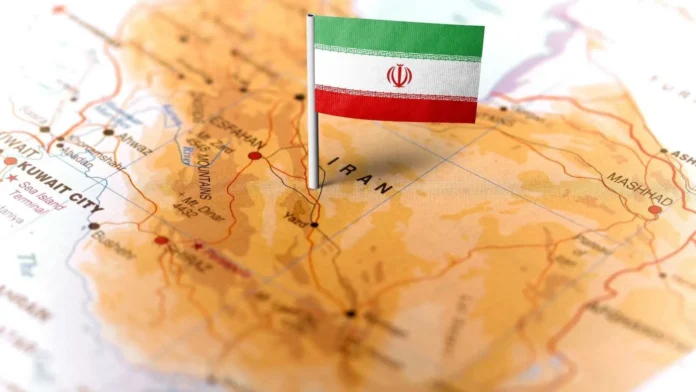

Iran has signaled that it could reopen the Strait of Hormuz within seven days if the United States eases military pressure and lifts its blockade on Iranian ports, according to a senior Iranian official who spoke to Reuters on September 22.
The statement comes at a critical moment for global energy markets. The Strait of Hormuz is one of the world’s most important energy chokepoints, and before the current conflict it carried roughly one-fifth of global oil and liquefied natural gas supplies. Shipping traffic through the waterway has fallen sharply since the conflict began, adding pressure to fuel markets and global supply chains.
The Iranian proposal is conditional. Tehran is not saying that the strait will reopen automatically within seven days. The official said Washington would first need to formally indicate that it wants to resolve the confrontation through diplomacy and agree on a process for doing so.
The timing is significant because Iranian, American and other diplomatic delegations are in New York for the United Nations General Assembly. Iran’s delegation, according to the official, has authority to revive talks with Washington through mediators.
For energy markets, however, the difference between a diplomatic proposal and restored shipping is crucial.
What Iran Is Proposing
The senior Iranian official told Reuters that Tehran could reopen the Strait within seven days if the United States reduces military pressure and lifts the blockade affecting Iranian ports.
The official also said Iran’s proposal for ending hostilities had already been delivered to the United States through mediators on September 16. Tehran is therefore presenting the current UN gathering as an opportunity to resume negotiations rather than as the beginning of an entirely new diplomatic process.
The Iranian position also comes after a warning from Iran’s military central command that any renewed U.S. military operation backed by regional countries could lead to an Iranian response. That combination of military warnings and diplomatic signals illustrates the uncertain environment surrounding the announcement.
The reopening proposal is one part of a broader negotiation. There has been no confirmation that Washington has accepted the conditions or that shipping through the strait will actually return to normal. That distinction matters because energy traders respond not only to political announcements but to physical evidence that vessels can move safely.
Why The Strait Of Hormuz Matters
The Strait of Hormuz connects the Persian Gulf with the Gulf of Oman and the wider Arabian Sea. Its geography makes it difficult to replace quickly when maritime traffic is disrupted.
Major oil producers including Saudi Arabia, the United Arab Emirates, Kuwait, Qatar and Iran use Gulf infrastructure connected to the waterway or nearby export systems. Liquefied natural gas shipments from Qatar and other regional exporters also depend on access to the maritime network.
Before the current conflict, roughly one-fifth of global oil and LNG supplies moved through the strait. That does not mean that exactly 20% of global energy consumption stops if the strait is disrupted. Alternative pipelines, inventories, production increases and rerouted cargoes can compensate for part of the lost flow. But those alternatives are limited.
The result is that prolonged disruption creates higher transportation costs, tighter inventories and greater competition for available cargoes.
Shipping Traffic Has Fallen Sharply
The physical situation on the waterway remains difficult. Pre-conflict traffic averaged about 125 large commercial vessels per day, according to data cited by Reuters. On Monday, preliminary shipping data showed that only two commodity vessels crossed the strait, down from 10 the previous day.
The figures do not necessarily capture every movement. Ships can switch off their Automatic Identification System transponders, which makes tracking more difficult. Even with that limitation, the decline from normal traffic levels shows how severely the conflict has affected the route.
Reuters also reported separate attacks on a crude oil tanker and an LPG carrier while they were crossing the strait. The responsibility for those incidents had not been established in the report. For shipowners, energy companies and insurers, security is therefore as important as physical access.
A waterway can technically remain open while commercial traffic stays limited because companies are unwilling to expose vessels, cargoes and crews to elevated risks.
Oil Prices Respond To The Possibility Of Reopening
Oil markets reacted quickly to the latest diplomatic signal. Brent crude futures fell to a two-week low during Tuesday trading. The November Brent contract declined $2.01, or about 2%, to $98.33 per barrel at 10:27 GMT, according to Reuters. WTI October futures fell 2.61% to $93.28.
The market response reflected expectations that additional Gulf supply could become available if shipping conditions improve. It wasn’t the only factor.
Saudi Arabia has restarted operations at its East-West oil pipeline and was preparing to resume exports from Yanbu on the Red Sea, according to sources cited by Reuters. Saudi Aramco has also increased crude shipments through the Strait after earlier disruptions.
The combination of these developments gave traders another reason to price in increased supply. But the scale of the response has been limited by uncertainty about whether the diplomatic process will produce a sustained reopening.
Analysts Caution That Reopening Is Not The Same As Normal Trade
Hamad Hussain, senior climate and commodities economist at Capital Economics, told Reuters that the oil price reaction reflected the possibility that diplomacy could restore flows. At the same time, he pointed to other issues that could complicate a lasting agreement, including questions over tolls and fees.
Ole Hansen, head of commodity strategy at Saxo Bank, said he did not see much additional downside in oil prices without a clear increase in supply through the Strait, especially refined petroleum products. That distinction is important. Crude oil is only one part of the energy system.
Refineries need crude to produce fuels such as diesel, but refining capacity, transportation and product inventories determine how quickly consumers actually receive those fuels. Diesel markets have remained especially tight.
Reuters reported that diesel prices in Europe and the United States had reached record levels as conflicts in Iran and Ukraine disrupted exports from major producers. This means that even a partial recovery in crude flows would not necessarily bring immediate relief to every segment of the fuel market.
Saudi Arabia Provides Another Supply Route
Saudi Arabia’s East-West Pipeline is strategically important because it provides an alternative route that can bypass the Strait of Hormuz for some oil exports. The pipeline runs across Saudi Arabia from the Gulf region toward the Red Sea. Restarting it therefore gives Riyadh more flexibility in moving crude to international markets without depending entirely on the strait.
Sources told Reuters that the pipeline had restarted at a relatively low rate and that exports from Yanbu could resume. That doesn’t eliminate the importance of Hormuz. The volume, types of products and infrastructure involved are different.
But every additional export route reduces some of the pressure on the global market.
Diplomacy Now Matters As Much As Production
The latest Iranian statement puts the United Nations General Assembly at the centre of the energy story. Iranian President Masoud Pezeshkian travelled to New York for the UN gathering, but the senior Iranian official told Reuters he would not meet Trump at the UN headquarters.
Instead, Tehran said negotiators could work through mediators. For policymakers, the important question is whether indirect contacts can establish a process that survives disagreements over military activity, sanctions, shipping and control of ports.
For markets, the important question is more immediate: can vessels safely return to the waterway?
Those two processes are connected but not identical. A diplomatic announcement could reduce risk premiums quickly. Restoring normal shipping would take longer.
What Happens Next
The next stage will depend on decisions made during the UN General Assembly and on whether Washington responds to Tehran’s conditions. Three developments will be particularly important. First, whether the United States publicly signals support for negotiations. Second, whether the blockade affecting Iranian ports changes. Third, whether commercial shipping companies begin returning vessels to the Strait.
The shipping data will ultimately provide the clearest physical test. If traffic rises from the current exceptionally low levels toward normal volumes, the market will have more evidence that the reopening is real. Until then, the proposal remains conditional. The broader energy system will also need to adjust.
Saudi Arabia’s pipeline operations and exports can provide some additional supply, while other producers and traders can use inventories and alternative routes. Yet refined products remain a major constraint. Reuters reported that traders do not expect crude prices to fall substantially further unless refined-product supply also improves.
For consumers and businesses, this means the immediate effect of the Iranian proposal may be seen first in market expectations rather than at fuel stations. A sustained reopening would be a different development.
It would improve the movement of crude and gas, reduce the shipping risk premium and potentially ease pressure on importing economies.
But until the necessary military and diplomatic conditions are met, the Strait of Hormuz remains a disrupted route, and global energy markets remain exposed to further changes in the conflict.