President Trump signed into law this week a sweeping sanctions bill targeting Russia and Iran, giving him authority to impose tariffs of up to 100% on countries that continue buying large volumes of Russian energy while locking in punitive economic measures against Tehran for the next five years.
What Happened
The House passed the Lindsey O. Graham Sanctioning Russia and Iran Act of 2026 by a vote of 262-159 on Wednesday night, sending it to Trump’s desk after the Senate approved it 86-11 in early August. Seven Republicans, including Reps. Thomas Massie of Kentucky, Chip Roy of Texas, and Warren Davidson of Ohio, voted against the measure, while 58 House Democrats joined 204 Republicans in support despite objections from party leadership including Foreign Affairs ranking member Gregory Meeks.
The legislation allows Trump and future presidents to impose tariffs of up to 100% on the top five importers of Russian crude oil or gas, a group that includes China, India, and several other major economies, along with tariffs of up to 500% on goods imported directly from Russia. It also imposes sanctions on Russian officials, oligarchs, banks, and the country’s “shadow fleet” of oil tankers, while extending the Iran Sanctions Act of 1996, which had been set to expire this year, through 2031.
Sen. Katie Britt of Alabama joined a bipartisan group of lawmakers at a press conference celebrating the bill’s passage, saying it gives Trump “the tools today to end this senseless war, to hold Putin accountable for his aggression, to drive him to the table.” Sen. Darline Graham, who was appointed to fill her late brother’s seat, called the measure a way to hit “Putin where it hurts.” Critics, including House Democratic leaders, argued the bill grants Trump excessive discretionary tariff authority while doing little to immediately constrain Russia’s war effort.
Why It Matters
The bill’s passage, nearly a year and a half after it was first introduced and just over two months after Graham’s sudden death following a trip to Kyiv, represents one of the most significant pieces of bipartisan legislation to clear Congress addressing both the Ukraine and Iran conflicts simultaneously, reflecting how thoroughly the two wars have become intertwined in US foreign policy.
The tariff authority specifically targeting major Russian energy buyers carries substantial implications for countries including India and China, both of which have significantly increased purchases of discounted Russian crude since sanctions first targeted Moscow’s energy exports, potentially setting up new trade tensions layered atop the administration’s existing tariff disputes with multiple trading partners.
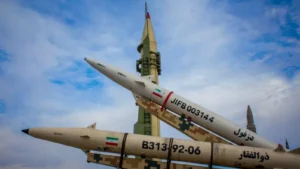
The five-year extension of Iran sanctions removes uncertainty that had surrounded the underlying legal authority for restrictions on Iran’s energy and weapons sectors, providing a more durable legislative foundation for the Treasury Department’s ongoing “Operation Economic Outcast” campaign beyond what executive action alone could guarantee.
Context and Background
Graham had championed the legislation for more than a year before his death, having secured a deal with the White House on its final terms just one day before he died on July 11 following his return from Ukraine, giving the bill’s eventual passage particular symbolic weight among his Senate colleagues.
The bill’s tariff provisions require Trump to impose the authorized tariffs on qualifying countries, though the legislation grants him broad discretion over enforcement and timing, meaning its practical effect on India, China, and other major Russian energy importers will depend significantly on how the administration chooses to implement it going forward.
The bill’s evolution reflects the shifting geopolitical landscape since it was first introduced in 2025, with Iran-related provisions added only in more recent iterations after Trump demanded their inclusion, tying the legislation directly to the war that began with US-Israeli strikes on Iran in late February.
Analysis
Trade policy analysts note that the bill’s structure, granting the president authority to impose tariffs rather than mandating them automatically, means its actual economic impact on countries like India and China will hinge substantially on administration decisions still to come, adding a layer of uncertainty to how forcefully the sanctions regime will ultimately be enforced.
Some congressional observers point to the notable division among House Democrats, with 152 voting against the measure despite the party’s consistent support for Ukraine, as reflecting genuine concern about ceding additional tariff authority to Trump given his broader, ongoing trade disputes with multiple countries throughout 2025 and 2026.
Foreign policy analysts note that locking in Iran sanctions through 2031 provides Washington with sustained leverage regardless of how the current war concludes, ensuring economic pressure on Tehran would persist even under a different administration or following any eventual ceasefire.
What Happens Next
Implementation of the bill’s tariff provisions targeting major Russian energy importers will be closely watched, given the administration’s discretion over enforcement timing and the potential for significant new trade friction with countries including India and China. Continued Treasury sanctions actions under the extended Iran authority are expected to proceed under the existing Operation Economic Outcast framework.
The bill’s passage adds to the broader legislative and economic pressure campaign surrounding both conflicts as they continue without clear resolution, with markets and affected countries likely to monitor closely for the first concrete tariff actions taken under the new authority.