
While global attention remains fixed on missiles, oil prices and military escalation, a quieter but far more destabilizing crisis is unfolding across the Middle East.
It is not measured in territory gained or lost.
It is measured in people displaced — and systems failing to support them.
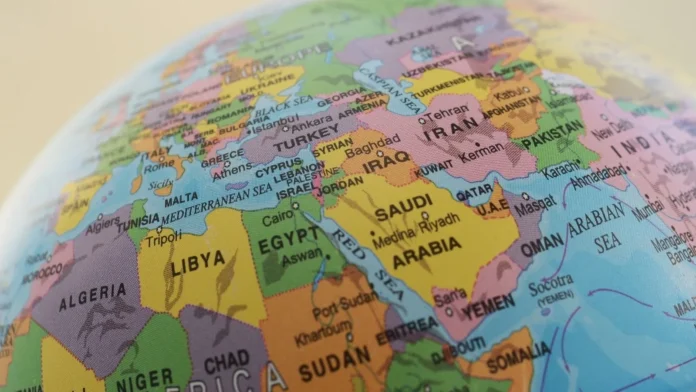
According to the latest UN warnings, millions have already been forced from their homes across Iran and Lebanon, creating one of the fastest-growing displacement crises in recent years.
But the more alarming reality is not just the scale.
It is the system’s inability to respond.
Displacement Is Accelerating Faster Than Response
Humanitarian crises typically unfold in phases.
Initial displacement is followed by organized response.
But in this case, the sequence is breaking.
Displacement is accelerating — while response capacity is stagnating.
More than 3 million people have been displaced in Iran alone, with over a million in Lebanon.
These numbers are not just large.
They are destabilizing.
Funding Is Collapsing at the Worst Moment
Humanitarian systems depend on funding.
And funding is falling short.
The UN has received less than 10% of the emergency funds required to respond to the crisis.
This creates a structural gap:
- more people need help
- fewer resources are available
This is not a temporary mismatch.
It is a systemic failure.
Why the System Is Breaking
Several factors are converging:
1. Global Resource Competition
Countries are diverting funds toward defense spending.
2. Multiple Crises
Simultaneous global conflicts are stretching resources thin.
3. Logistical Disruptions
Supply routes are affected by conflict zones and chokepoints.
This combination creates a bottleneck.
Health Systems Are Collapsing Alongside Aid
The crisis is not limited to displacement.
Healthcare systems are also under strain.
The World Health Organization has warned of a health emergency “unfolding in real time,” with hospitals overwhelmed and access to treatment disrupted.
This creates a secondary crisis:
- untreated chronic illnesses
- lack of emergency care
- risk of disease outbreaks
The Hidden Risk: Systemic Instability
Humanitarian crises do not remain isolated.
They spread.
Large-scale displacement can lead to:
- regional instability
- economic disruption
- long-term political consequences
Neighboring countries may face increased pressure.
Why This Crisis Is Different
What makes this situation unique is speed.
The crisis is evolving faster than systems designed to manage it.
This creates a lag — and that lag is dangerous.
What Happens Next
Three scenarios emerge:
1. Stabilization
Aid increases, crisis slows.
2. Prolonged Strain
Systems operate at breaking point.
3. System Failure
Large-scale humanitarian breakdown.
At present, the second scenario is already happening.
Conclusion
The humanitarian crisis is not a side effect of the war.
It is becoming one of its defining features.
And unlike military developments, it cannot be reversed quickly.