
India is currently experiencing one of the most severe heatwaves of the year, with temperatures soaring across multiple states and placing enormous pressure on public health systems, infrastructure, and daily life.
According to the latest global temperature rankings, all 50 of the world’s hottest cities were located in India during the latest monitoring cycle, highlighting the extraordinary scale of the ongoing heat event.
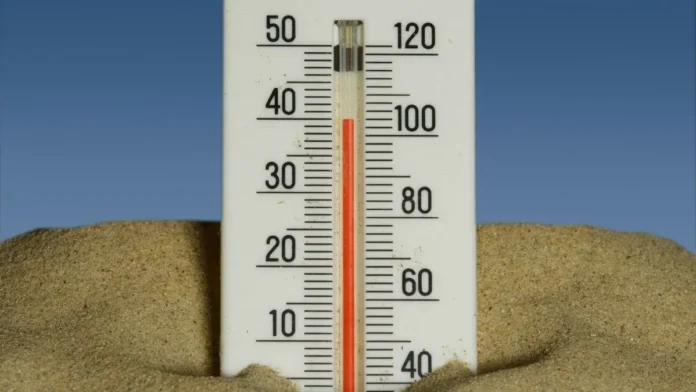
Cities across northern, central, and western India have reported temperatures above 45 degrees Celsius, while weather agencies continue issuing severe heat alerts for vulnerable regions.
The development has renewed concerns over the increasing intensity and frequency of extreme weather events linked to climate change.
A Heatwave Expanding Across Regions
The current heatwave is not isolated to one state or city. Instead, it has spread across a wide geographic area, affecting millions of people simultaneously.
Several regions have experienced:
- Daytime temperatures exceeding 45°C
- Extremely warm nighttime conditions
- Dry winds and dust storms
- Increased humidity in some urban zones
Meteorologists warn that prolonged exposure to such conditions significantly increases health risks, particularly for children, elderly individuals, outdoor workers, and people with pre-existing medical conditions.
Why This Heatwave Is Significant
India experiences intense summers every year, but experts say the current situation stands out because of:
1. Geographic Scale: The heatwave is affecting multiple regions simultaneously rather than remaining localized.
2. Duration: Forecasts suggest elevated temperatures may continue for days, increasing cumulative stress on infrastructure and health systems.
3. Urban Heat Effect: Major cities are experiencing amplified heat due to concrete-heavy urban environments and limited cooling capacity.
Public Health Risks Are Rising
Extreme heat is one of the deadliest weather-related hazards globally.
Health experts warn that prolonged exposure can lead to:
- Heat exhaustion
- Heatstroke
- Dehydration
- Cardiovascular stress
Hospitals in some regions are already reporting an increase in heat-related illnesses, particularly among outdoor laborers and elderly residents.
Authorities are urging people to:
- Stay indoors during peak afternoon hours
- Increase water intake
- Avoid strenuous outdoor activity
- Monitor vulnerable family members
Infrastructure Under Pressure
The heatwave is also placing major strain on infrastructure systems.
Electricity Demand Surges
As temperatures rise, electricity consumption increases sharply due to:
- Air conditioning
- Cooling systems
- Water pumping infrastructure
This raises the risk of:
- Grid overload
- Power shortages
- Localized outages
Water Supply Stress
Extreme heat accelerates water demand while reducing reservoir sustainability in some regions.
Several cities are already facing:
- Increased water tanker dependence
- Pressure on groundwater systems
- Supply management challenges
Economic Impact
Heatwaves can significantly affect economic productivity.
Key sectors impacted include:
Agriculture
- Crop stress increases under prolonged heat
- Soil moisture declines rapidly
- Livestock face higher mortality risk
Construction and Outdoor Labor
Workers face dangerous conditions, reducing productivity and increasing health risks.
Transportation
Extreme temperatures can affect:
- Rail infrastructure
- Road surfaces
- Vehicle reliability
Climate Change and Extreme Heat
Scientists have repeatedly warned that climate change is increasing the likelihood of extreme heat events worldwide.
Key climate trends include:
- Higher average temperatures
- Longer heatwave duration
- Increased frequency of record-breaking temperatures
India, due to its large population and geographic diversity, is considered particularly vulnerable to climate-related heat stress.
Urban Areas Facing Greater Risk
Large cities face unique challenges during heatwaves.
Urban heat islands occur when:
- Concrete absorbs and retains heat
- Green cover is limited
- Air circulation is reduced
As a result, cities often remain dangerously warm even at night, limiting the body’s ability to recover from daytime heat exposure.
Government Response
Authorities across affected states have begun implementing emergency measures.
These include:
- Heat advisories
- Public cooling centers
- School schedule adjustments
- Emergency medical preparedness
Weather agencies continue to monitor conditions and issue updated alerts.
Expert Insight
Climate researchers emphasize that extreme heat events are becoming a defining feature of modern climate patterns.
Experts note:
- Heatwaves are increasing in both intensity and duration
- Urban planning must adapt to rising temperatures
- Public awareness is critical for reducing casualties
They also stress that long-term mitigation requires:
- Climate adaptation strategies
- Improved infrastructure resilience
- Sustainable urban development
A Warning Sign for the Future
The current heatwave reflects broader global climate realities.
Extreme heat is no longer viewed as:
- Rare
- Isolated
- Temporary
Instead, it is increasingly treated as a recurring structural challenge requiring coordinated response at both local and national levels.
What Happens Next
Weather forecasts suggest that several regions may continue experiencing severe temperatures in the coming days.
Key concerns include:
- Rising nighttime temperatures
- Water shortages
- Increased health emergencies
Meteorologists are also monitoring the possibility of dust storms and localized weather disturbances linked to atmospheric instability.
Conclusion
India’s ongoing heatwave has become one of the most significant extreme weather events of the year, with all 50 of the world’s hottest cities currently located within the country.
The scale of the event highlights growing concerns around climate resilience, public health preparedness, and infrastructure sustainability in an era of increasingly extreme temperatures.
As millions continue facing dangerous heat conditions, the situation serves as another reminder that climate-related weather events are becoming more intense, more frequent, and more disruptive across the globe.