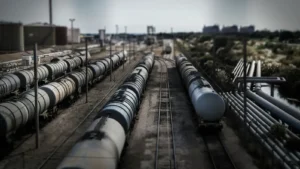
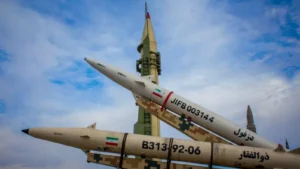
The International Energy Agency does not use superlatives carelessly. When its head described the 2026 Iran war as “the greatest global energy security challenge in history,” the assessment was based on specific, quantifiable disruptions that exceed every previous crisis by several measurable dimensions.
The Comparison to Previous Crises
1973 Arab oil embargo: OPEC nations cut production by approximately 5 million barrels per day, targeting the US and other nations that supported Israel in the Yom Kippur War. The disruption lasted 6 months and caused a 400% increase in oil prices. Total disrupted supply: 5 million bpd. Duration: 6 months. Price increase: 400%.
1979 Iranian revolution and hostage crisis: Iranian oil production fell from 5.5 million bpd to less than 1 million bpd during the revolution. Total disrupted supply: approximately 4 million bpd. Duration: several months. Price increase: approximately 100%.
1990-91 Gulf War: Iraq’s invasion of Kuwait and subsequent coalition war removed approximately 4 million bpd from global markets. Duration: 7 months. Price increase: approximately 100%.
2026 Iran war:
The oil production of Kuwait, Iraq, Saudi Arabia, and the United Arab Emirates collectively dropped by a reported 6.7 million barrels per day by 10 March, and by at least 10 million barrels per day as of 12 March.
The maritime blockade triggered a concurrent “grocery supply emergency” across Gulf Cooperation Council states, which rely on the Strait for over 80% of their caloric intake. By mid-March, 70% of the region’s food imports were disrupted.
The closure of the Strait of Hormuz led to what the International Energy Agency characterised as the “largest supply disruption in the history of the global oil market.” The head of the IEA described the situation as the “greatest global energy security challenge in history.” Iran’s closure of the Strait of Hormuz disrupted 20% of global oil supplies and significant liquefied natural gas volumes.
Why It’s Different From Every Previous Crisis
Every previous major oil supply disruption was a production crisis — a reduction in how much oil was being extracted. The 2026 Iran war created a distribution crisis: oil is being produced but cannot be moved.
That distinction matters because a distribution crisis affects not just oil exporters but every country that depends on Gulf shipping lanes for goods that are not oil — food, manufactured goods, LNG, petrochemicals, fertilizers.
As of April 2026, there are ongoing concerns about energy security as well as food security, related to fertiliser shortages and costs. The economies of most countries are expected to be adversely affected by the crisis, leading to inflation and heightened risks of stagflation and recession.
No previous oil crisis simultaneously disrupted oil supply, LNG supply, fertilizer supply, food import supply, and global shipping simultaneously. The 2026 Iran war did all five at once. That is why the IEA’s characterisation as the worst in history is, by the data, accurate.