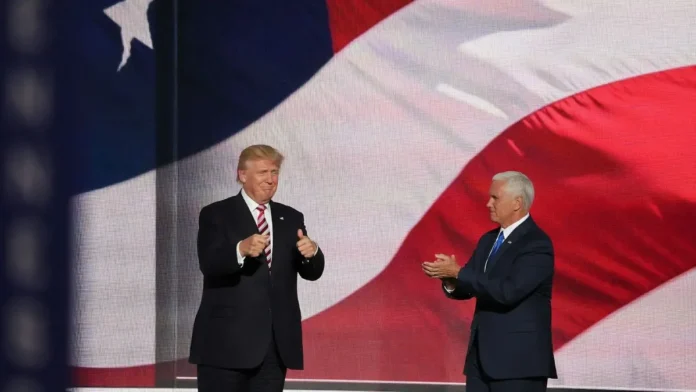

The first substantive outcome from the Trump-Xi summit in Beijing has just been confirmed — and it directly addresses the most pressing economic consequence of the Iran war.
What Was Confirmed
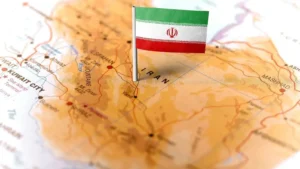
A White House official said the two sides agreed that the Strait of Hormuz must remain open to support the free flow of energy, and that Xi expressed interest in buying more American oil to reduce China’s dependence on the Strait in the future.
Two developments in one White House official’s statement. First: a US-China joint position that Hormuz must remain open. This is not just Washington saying it — it is Beijing co-signing the demand for the first time.
Second: Xi signalling a desire to shift away from Iranian crude toward American oil, which simultaneously reduces China’s strategic dependence on a chokepoint controlled by Iran and provides the US with the exact trade win Trump came to Beijing to announce.
Why This Changes the Iran War’s Trajectory
For 75 days, China has maintained studied ambiguity about Hormuz reopening — calling for a “comprehensive ceasefire” and “diplomatic resolution” without specifically endorsing the opening of a waterway its own oil supply depends on. By agreeing at the summit that Hormuz “must remain open,” Xi has formally aligned China with the US and international community position that Iran’s closure is unacceptable.
That alignment gives Iran’s civilian diplomatic team — Araghchi, President Pezeshkian — a new and powerful argument against the IRGC hardliners: now both the US and China are on record saying Hormuz must open. The diplomatic isolation of Iran’s position is now substantially more complete than it was 24 hours ago.
Xi’s Interest in American Oil
Xi expressing interest in buying more American oil to reduce China’s Hormuz dependence is the trade deliverable Trump came to Beijing to secure — packaged in a form that simultaneously addresses the Iran war’s energy dimension.
If China shifts from Iranian shadow fleet crude to American LNG and crude, two things happen: Iran loses its primary economic lifeline above and beyond the US blockade, and the US energy industry gains a massive new export market.
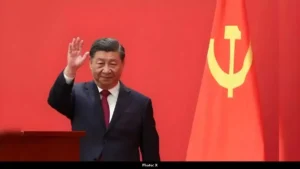
Xi asked if the two countries could meet major challenges together for global stability, and work for “a brighter future” for humanity.
The Thucydides Trap question Xi posed — whether the US and China can avoid the historical pattern where a rising power and ruling power go to war — is now being answered in real time by two leaders who just agreed on the Iran war’s most consequential economic variable.