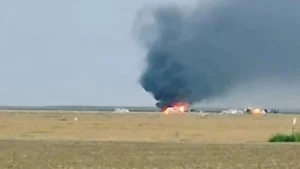

Israel has confirmed carrying out a direct strike on a petrochemical facility in Iran’s Mahshahr region, marking one of the most significant escalations in the ongoing conflict. The strike, reported within the latest breaking news cycle, has resulted in casualties and heightened fears of a broader regional war.
According to confirmed updates, at least five people were killed in the attack, with damage reported to critical energy infrastructure.
This development represents a shift in targeting strategy—from military and proxy assets toward economic and industrial infrastructure.
What Happened
Key confirmed developments:
- Israeli forces struck a petrochemical complex in southern Iran
- Casualties reported with infrastructure damage
- Iran condemned the strike as a major escalation
- Emergency response teams deployed in the affected region
The facility is part of Iran’s broader industrial and energy network, making it a high-value strategic target.
Why It Matters
This strike is significant for several reasons:
1. Energy Infrastructure Targeting: Unlike previous strikes focused on military targets, this attack directly impacts economic assets tied to energy production.
2. Escalation Threshold Crossed: Targeting industrial infrastructure signals a shift toward broader strategic warfare.
3. Global Market Impact: Energy infrastructure attacks can disrupt global supply chains and increase market volatility.
Context: A War Expanding in Scope
The conflict has steadily escalated over recent weeks:
- Initial airstrikes targeting military installations
- Expansion into cross-border missile exchanges
- Now, direct strikes on infrastructure
The Mahshahr strike reflects a widening operational scope.
Regional Impact
The strike comes amid:
- Ongoing missile exchanges between Iran and Israel
- Rising tensions in Lebanon and Gulf states
- Increased military readiness across the region
Reports also indicate continued strikes in Beirut and escalating casualties across conflict zones.
Expert Insight
Strategic analysts suggest:
- Infrastructure targeting increases economic pressure
- Raises risk of retaliation targeting similar assets
- Expands conflict beyond traditional military engagement
What Happens Next
Key developments to monitor:
- Iran’s retaliation strategy
- Further strikes on infrastructure
- Global diplomatic response
The escalation suggests the conflict is entering a more dangerous and unpredictable phase.