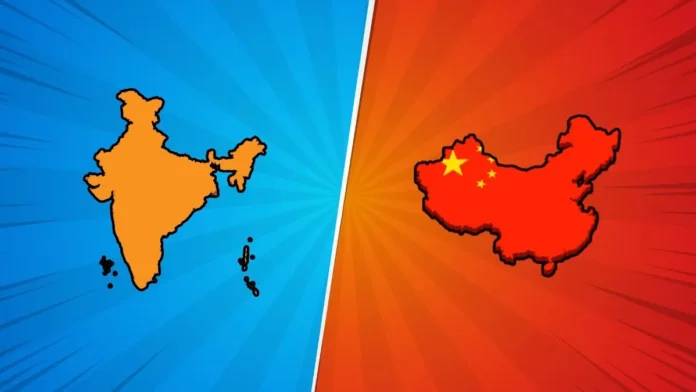

The US Senate passed a sweeping sanctions bill Friday that would authorize President Trump to impose tariffs of up to 100% on India, China, and three other countries that remain major buyers of Russian oil and gas, in a bipartisan 86-11 vote that now sends the legislation to the House of Representatives.
What Happened
The Senate approved the Lindsey O. Graham Sanctioning Russia and Iran Act of 2026, named for the Republican senator who championed the legislation before his death on July 11 following a trip to Kyiv. The bill grants the president discretionary authority to impose tariffs of up to 100% on imports from the world’s top five buyers of Russian crude oil or natural gas, a group that includes China, India, Azerbaijan, Hungary, and Slovakia, according to reporting citing the bill’s text.
The legislation was introduced following a significant increase in India’s crude oil imports from Russia, which reached a record 2.78 million barrels per day in July, a level bill proponents argue helps sustain Russia’s economy and its war effort in Ukraine. Countries could qualify for an exemption if they account for less than 15% of Russia’s total natural gas exports and are actively reducing their reliance on Russian energy, and the bill grants the president full authority to waive sanctions or tariffs if doing so is determined to align with US national interests.
Beyond the tariff provisions, the bill imposes sanctions on senior Russian officials, including President Vladimir Putin, along with Russian oligarchs and financial institutions, and extends the Iran Sanctions Act of 1996 through 2031 while expanding measures targeting Iran’s energy, shipping, and financial sectors. The legislation now moves to the Republican-controlled House, which does not reconvene from its summer recess until August 31, meaning a final vote is unlikely before September.
Why It Matters
The bill’s targeting of India carries particularly significant economic weight given the scale of the country’s Russian oil purchases and its status as one of the fastest-growing major economies in the world. A 100% tariff, if ultimately implemented, would represent one of the most severe trade measures the US has applied to India in the modern bilateral relationship, with direct implications for ongoing separate US-India trade negotiations.
For China, the legislation adds a further layer of economic pressure at a moment when US-China trade relations already remain complex, given the multiple, overlapping rounds of tariff actions both countries have exchanged in recent years across various sectors, layering Russia-related sanctions on top of an already complicated bilateral trade relationship.
The bill’s structure, providing the president with broad discretionary authority over both the tariff level and potential waivers, means its practical economic impact will depend heavily on how the administration chooses to exercise that authority rather than being automatically triggered by the legislation’s passage alone, adding a significant degree of uncertainty for the affected countries’ businesses and trade planners.
Context and Background
Indian officials and political leaders have already criticized the government’s handling of the situation, with some domestic critics arguing the measures could adversely affect India’s economic interests and energy security strategy at a time when the country has increasingly relied on discounted Russian crude to help manage its energy costs. India has become one of the largest buyers of Russian crude oil since Western sanctions reshaped global energy markets following Russia’s 2022 invasion of Ukraine.
The bill’s passage follows months of legislative maneuvering, having initially advanced with even broader bipartisan support before Iran-related provisions were added to the text. Some analysts note that without the Iran additions, the bill likely would have passed the House once it resumed given strong Democratic support for continued pressure in support of Ukraine, though the broadened scope has introduced additional complexity to its path forward.
The legislation notably does not include penalties for European countries continuing similar purchases of Russian energy, a distinction that has drawn attention given the bill’s explicit focus on India, China, and the three smaller economies named in the text, despite ongoing European energy relationships with Russia in certain sectors.
Analysis
Trade policy analysts note that the bill’s discretionary structure, granting Trump significant authority over both implementation and waivers, means its ultimate economic impact will likely depend heavily on the administration’s broader diplomatic priorities with India and China at the time any tariffs would actually be imposed, rather than being a fixed, automatic consequence of the bill’s passage.
Some economists caution that a full 100% tariff on India specifically, if implemented without significant exemptions, could meaningfully disrupt bilateral trade at a moment when both countries have reportedly been working toward a broader trade agreement, with some officials suggesting a deal could be finalized within a few months, creating potential tension between the sanctions bill’s objectives and the parallel trade negotiation track.
Analysts also point to the bill’s origin as a tribute to the late Senator Graham’s strong support for Ukraine as a factor that may have accelerated its passage through the Senate, even as its practical implementation timeline, given the House’s late-August return date, suggests any actual tariff action remains a matter of months away at the earliest.
What Happens Next
The bill now awaits consideration in the House of Representatives, which will not vote on the measure until after lawmakers return from their summer recess on August 31. House approval would be required before the legislation could be sent to President Trump for his signature.
Indian and Chinese officials are likely to continue monitoring the bill’s progress closely, given its significant potential economic implications, while parallel US-India trade negotiations continue separately. Markets and businesses with exposure to Russian energy trade relationships will likely factor the bill’s uncertain but significant potential impact into their planning in the coming weeks.