
A trial vaccine against Shigella, one of the leading bacterial causes of deadly diarrheal disease in children, showed 89% efficacy in a rigorous human challenge study published this summer in The Lancet Infectious Diseases, offering new hope against an illness that kills more than a million people worldwide each year.
What Happened
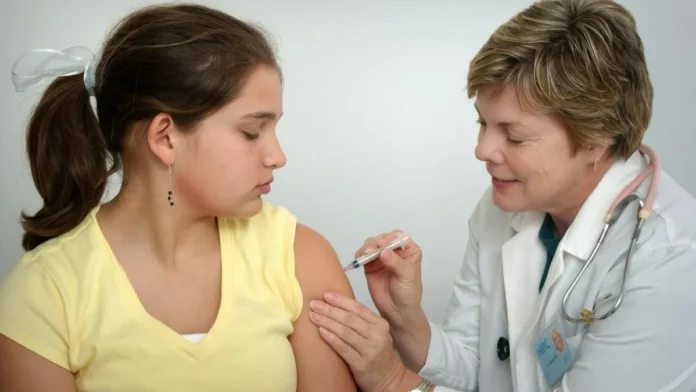
The Phase 1/2 trial recruited 108 adults, half of whom received the vaccine candidate, known as WRSs2, a weakened, liquid version of the Shigella sonnei bacteria administered in two doses roughly a month apart, in a volume just under a shot glass. The other half received salt water as a placebo. All participants were then deliberately exposed to live Shigella bacteria in a controlled challenge study, a demanding but scientifically rigorous method for testing vaccine efficacy that makes the results more difficult to dismiss despite the relatively small sample size, according to outside experts.
The results were striking: 81% of the placebo group developed diarrhea and, in some cases, fever, before receiving antibiotics, while the vaccine group was protected at an 89% rate. Dr. Robert Frenck, a professor of pediatrics at Cincinnati Children’s Hospital and director of its Center for Vaccine Research, who co-led the trial, said the weakened bacteria used in the vaccine is strong enough to trigger a genuine immune response without making recipients seriously ill.
Dr. Kawsar Talaat, an infectious disease physician and vaccine scientist at the Johns Hopkins Bloomberg School of Public Health who was not involved in the trial, said the rigorous challenge-study design makes the 89% efficacy figure difficult to dismiss even given the relatively small number of participants involved.
Why It Matters
Diarrheal illness kills more than 1 million people globally each year, with nearly half of those deaths occurring in children under age 5, according to figures cited in the research. Chad has the world’s highest rate of childhood diarrheal deaths, with roughly 1 in 140 children under 5 dying from the illness annually, underscoring the severe and disproportionate burden the disease places on children in lower-income countries with limited access to clean water and sanitation infrastructure.
Shigella specifically ranks as the second leading cause of diarrheal death in children under five in developing countries, after rotavirus, and unlike rotavirus, no vaccine against it is currently widely available. Dr. Jahangir Hossain of the Gambia Medical Research Council Unit at the London School of Hygiene & Tropical Medicine, who has studied shigellosis since the 1990s, noted that children who survive Shigella infections often don’t fully recover, frequently falling off their growth curves and experiencing lasting effects including malnutrition and cognitive impairment.
Despite its severe toll, diarrheal disease has historically struggled to attract the public health attention and funding its scale warrants, a phenomenon researchers attribute in part to what they describe as a cultural “poo taboo” that makes the topic uncomfortable to discuss openly, even as it remains, according to Frenck, the second leading cause of death among children worldwide.
Context and Background
Shigella infection risk peaks between 12 and 23 months of age, according to Hossain, a critical window in early childhood development during which repeated illness can have compounding effects on growth and cognitive outcomes. The bacteria spreads through contaminated food and water, with cases concentrated in areas with poor sanitation infrastructure, making it a persistent challenge in many low-income regions despite decades of broader public health progress.
The trial results arrive amid a summer in which diarrheal illness has also made headlines domestically in the United States, with thousands of cases of cyclosporiasis traced to contaminated lettuce and the first confirmed deaths from that specific outbreak reported in Michigan, illustrating that even in wealthy countries with generally robust food safety systems, diarrheal illness remains a significant and sometimes fatal public health concern.
Increasing rates of multidrug resistance in Shigella bacteria have made vaccine development an especially high priority in recent years, according to prior research on the pathogen, as antibiotic treatment options become less reliable in the face of growing resistance, adding urgency to efforts like the current WRSs2 trial.
Expert Analysis
Frenck described an eventual goal of developing a combination vaccine capable of protecting against multiple major bacterial causes of diarrheal death simultaneously, including Shigella, enterotoxigenic E. coli, and Campylobacter, which he called “the holy grail” of diarrheal disease prevention, allowing for broad protection through just one or two vaccine administrations rather than requiring separate shots against each individual pathogen.
Talaat noted practical advantages to a combination approach as well, given that children already receive numerous vaccines during early childhood, making it easier from a scheduling and healthcare delivery standpoint to incorporate one combined diarrheal disease vaccine into existing immunization schedules, similar to how combination vaccines like MMR or Tdap are currently administered.
Hossain expressed some caution about combination vaccine development specifically, suggesting the added complexity involved in combining protection against multiple distinct pathogens could potentially complicate or slow the broader vaccine development and approval process, even as he acknowledged the significant public health value such a combined vaccine would ultimately provide if successfully developed.
What Happens Next
Given the trial’s relatively small initial sample size, WRSs2 will likely need to proceed through larger-scale efficacy trials before any potential approval and widespread deployment, a process that typically takes multiple years for vaccine candidates even when early results, as in this case, appear promising.
Researchers involved in Shigella vaccine development are likely to continue pursuing the broader goal of a combination vaccine addressing multiple bacterial causes of diarrheal disease simultaneously, even as the current single-pathogen candidate represents a meaningful, standalone step forward against one of the most significant remaining gaps in global childhood vaccination coverage.