
Pakistan’s defense minister said Tuesday that the United States and Iran are close to reaching “some sort of arrangement” to de-escalate their conflict, even as mediators have privately warned their American counterparts that Washington’s strategy of relying on sanctions and a naval blockade is unlikely to force Tehran into significant concessions.
What Happened
Pakistan’s defense minister told Bloomberg that the two sides were nearing an agreement, offering one of the more concrete public assessments yet from a country that has played a central mediating role throughout the conflict alongside Qatar and Oman. The comments came as separate reporting indicated President Trump is currently focused primarily on sanctions and the US naval blockade as his main levers of pressure on Iran, rather than pursuing a more comprehensive negotiated settlement.
According to reporting from Just Security’s compilation of intelligence and diplomatic assessments, mediators have specifically cautioned their US counterparts that Iran has lived under sanctions for years and that betting on economic pressure alone to produce Iranian compromise is unlikely to yield results, given Tehran’s demonstrated capacity to endure prolonged economic isolation without fundamentally altering its strategic posture.
In a separate development underscoring the tense security environment surrounding the negotiations, Trump reportedly left Air Force One using a catering truck ahead of a flight from Turkey, according to a source familiar with the matter, amid an alleged threat linked to Iran, illustrating the elevated security concerns that continue to shape the president’s travel even as diplomatic engagement continues.
Why It Matters
Pakistan’s relatively optimistic public assessment stands in contrast to the more cautious warnings mediators have reportedly delivered privately regarding the limits of a sanctions-only approach, highlighting a potential gap between public diplomatic messaging and the more complex private assessments shaping the actual negotiating strategy.
The mediators’ warning carries particular significance given Iran’s extensive history of operating under significant Western sanctions dating back decades, a track record that has repeatedly demonstrated the country’s capacity to adapt its economy and maintain core strategic positions despite sustained economic pressure, raising questions about whether the current blockade-and-sanctions approach alone can produce the kind of fundamental shift in Iranian policy the Trump administration is seeking.
The reported security incident involving Trump’s travel underscores how directly the conflict continues to affect even the highest levels of US government operations, suggesting that despite ongoing negotiations, the threat environment surrounding the conflict remains serious enough to require significant, extraordinary security precautions for the president himself.
Context and Background
The current phase of US-Iran diplomacy has moved through multiple distinct channels throughout 2026, including the stalled Islamabad Talks earlier in the year, the subsequent imposition of the US naval blockade in April, and more recent negotiations involving Oman specifically focused on reopening the Strait of Hormuz to commercial shipping traffic.
Pakistan has maintained an active mediating role throughout the conflict, alongside Qatar, reflecting its historical diplomatic relationships with both Iran and the broader Gulf region, positioning it as one of the few countries with sufficient credibility with both Washington and Tehran to facilitate meaningful back-channel communication.
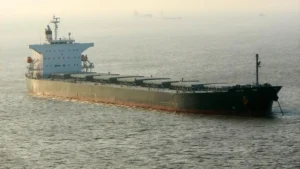
The blockade itself has proven economically significant, with CENTCOM estimating it costs Iran roughly $500 million daily, even as Iran has continued restricting Hormuz traffic and pursuing its own countermeasures, including the seizure of two cargo ships in retaliation for the blockade, illustrating the continued tit-for-tat dynamic even amid ongoing negotiations.
Analysis
Regional diplomacy analysts note that Pakistan’s relatively upbeat public characterization of the talks may reflect its institutional interest in projecting mediating success, even as the underlying substantive gaps between US and Iranian negotiating positions, particularly around the blockade’s continuation and the scope of any Hormuz reopening, remain significant based on other recent reporting.
Some foreign policy analysts caution that the mediators’ warning about the limits of sanctions-based pressure reflects a broader strategic tension within the Trump administration’s approach: pursuing maximum economic pressure while simultaneously seeking a negotiated resolution, two objectives that can work at cross-purposes if Iran’s leadership calculates that sanctions relief alone is insufficient incentive to make the concessions Washington is seeking.
Security analysts point to the reported Air Force One security incident as evidence that whatever diplomatic progress may be occurring through official channels, the underlying threat environment tied to the conflict remains genuinely serious, complicating any assumption that a formal agreement alone would immediately translate into a fully de-escalated security situation.
What Happens Next
Continued diplomatic engagement through Pakistani, Qatari, and Omani channels is likely in the coming days, though the gap between Pakistan’s optimistic public assessment and the more cautious private mediator warnings suggests any eventual agreement may take longer to finalize than the more upbeat characterizations imply.
The US naval blockade and its associated enforcement actions, including this week’s Hellfire strike on the Vela Nova, are likely to continue regardless of diplomatic progress, given the Trump administration’s stated reliance on sustained economic and military pressure as its primary strategic lever in the ongoing negotiations.