
A months-long wave of anti-immigration protests in South Africa escalated sharply on Tuesday as anti-immigrant marchers moved through major cities including Johannesburg, Durban and Cape Town to mark a self-imposed June 30 deadline for all undocumented foreign nationals to leave the country. At least four people have been killed in protest-related violence since March, thousands of foreign nationals have been driven from their homes, and South Africa’s diplomatic relationships with several African neighbours have been severely strained. Thousands of police were deployed nationwide as the military stood ready on standby.
How the Crisis Developed
The 2026 anti-immigration protests in South Africa are a series of demonstrations, marches and violent incidents targeting foreign nationals. The protests began in March 2026 and escalated through April, May, and into June, spreading across major cities including Johannesburg, Pretoria, Durban and Cape Town, and later reaching towns in the Western Cape.
The protests have been led primarily by two groups: March and March, a movement founded in 2025 by Jacinta Ngobese-Zuma, and Operation Dudula, a movement that has continued to organise anti-immigration activities including blocking migrants from accessing healthcare facilities and schools. Operation Dudula has registered as a political party and plans to contest the 2026 municipal elections.
The trigger for the movement’s escalation was a dispute at Addington Primary School in Durban, where March and March claimed migrant children were being prioritised over South African citizens. What began as a localised school dispute expanded into a broader national movement channelling longstanding economic frustration against an immigrant population that anti-immigration groups blamed for unemployment, crime and pressure on public services.
The June 30 Deadline and What It Produced
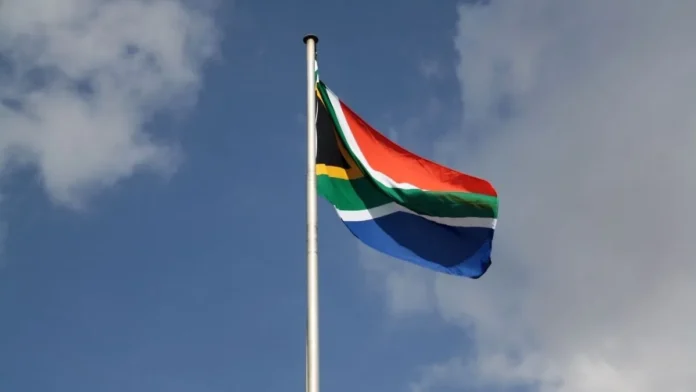
Anti-immigrant protesters draped in flags and wielding wooden weapons marched across cities in South Africa on Tuesday to mark a deadline they had set for undocumented migrants to leave, with some marches hit by violence and looting.
Thousands of African foreign nationals had already fled South Africa ahead of Tuesday’s deadline, and shops closed and foreign workers stayed home in anticipation of further trouble after months of unrest brought international condemnation. At least four people have been killed and thousands of foreigners have been driven from their homes and seen their businesses and property vandalised.
Landlords in Durban and Johannesburg were illegally evicting foreign tenants for fear their buildings would be vandalised, witnesses said. The marches drew many thousands of mostly poor or unemployed South Africans who blame foreign nationals for their hardships.
Thousands of police were deployed and the military were on standby, a military spokesperson said. Deputy National Commissioner for Policing Tebello Mosikili said 103 criminal cases had been opened against anti-foreigner vigilantes since March and that the state had a duty to ensure demonstrations were peaceful. A $36 million special police operation was launched ahead of the protests.
The Deadly Violence in the Western Cape and KwaZulu-Natal
The most lethal episodes occurred outside the main cities.
In the coastal town of Mossel Bay, around 55 shacks were torched in late May, some while people were still inside. The government of Mozambique said five of its citizens were killed in xenophobic attacks there. South African police confirmed the deaths of two Mozambican men, aged 27 and 43, and an 18-year-old South African.
In Pietermaritzburg, a Malawian man was beaten to death following public incitement linked to anti-immigrant activism. Three people, including a Malawian man and two Mozambican nationals, were killed during anti-immigration protests in KwaZulu-Natal and the Western Cape.
What Is Driving the Protests
The marches drew many thousands of mostly poor or unemployed South Africans who blame foreign nationals for their hardships. Three decades since apartheid ended, South Africa remains deeply unequal, and a third of people are out of work — the highest unemployment rate of any major economy.
Despite this, the immigrant population stands at about 3 million, or about 4 percent of the total, according to StatsSA — a relatively low share by global standards. Immigrants are blamed for taking jobs, driving crime and putting pressure on public services — claims that social scientists say lack evidence.
Luke Sinwell, a professor at the University of Johannesburg, told Al Jazeera that efforts to discourage violence were overshadowed by division, and that research on Operation Dudula showed how legitimate grievances can be channelled towards migrants rather than institutions — a process he described as the weaponisation of grassroots democracy.
Despite this, it remains Africa’s largest economy and continues to draw migrants from Zimbabwe, Mozambique, Malawi, Nigeria, the DRC and dozens of other countries seeking economic opportunity or refuge from instability at home.
The International Fallout
The protests have strained South Africa’s diplomatic relations with several African countries and drawn condemnation from the United Nations, the African Union and international human rights organisations. Nigeria, Ghana and Mozambique have all initiated the repatriation of their citizens from South Africa.
South African deportations rose 46 percent over the past two financial years, from just under 58,000 in 2024–2025 to 109,344 as of March 31, 2026. Following the recent anti-immigrant protests, the government processed more than 8,000 foreign nationals for repatriation at the Beitbridge border post in less than two weeks.
The diplomatic cost is real. South Africa has built its post-apartheid international identity partly on its reputation as a defender of human rights and a champion of African solidarity. The repeated failure to protect foreign nationals from mob violence — and the perception that authorities are slow to intervene — has seriously damaged that reputation, particularly among the southern African states that send the largest number of migrants to the country.
What Ramaphosa Has Said — and What His Government Has Done
President Cyril Ramaphosa addressed the nation on June 7, announcing a package of immigration enforcement measures while condemning vigilante violence. “South Africans’ deep concerns about illegal immigration are real and they deserve to be heard,” Ramaphosa said. “But the right to protest does not allow people to threaten or intimidate others, or to engage in acts of vandalism or violence.”
The government’s response has been a dual-track approach: increased immigration enforcement and deportations on one hand, and public condemnation of vigilante violence on the other. Critics have argued this framing concedes the protesters’ central premise — that the immigration system is the problem — while failing to address the structural unemployment and inequality that actually drives the frustration.
South African officials have noted, accurately, that Western countries face similar tensions over immigration, often fuelled by divisive politics and misinformation. The difference, critics say, is in the scale and lethality of the violence that has resulted.