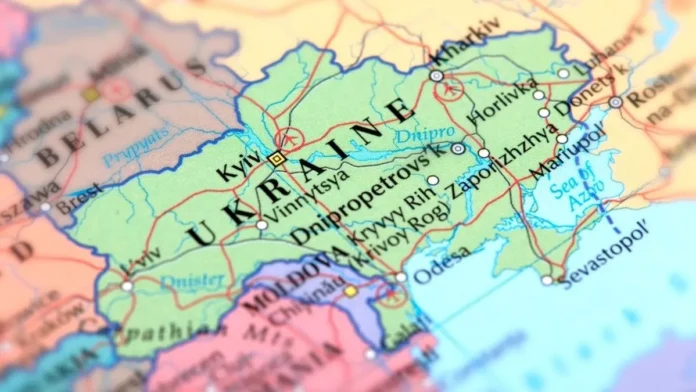

Ukraine’s agricultural exports could fall by more than half this marketing year after intensified Russian attacks disrupted operations at the country’s Black Sea ports, according to the Ukrainian government’s latest forecast, threatening what has been Ukraine’s single largest source of export revenue during the critical peak harvest season.
What Happened
Ukraine’s Agriculture Ministry now projects the country will export approximately 29.6 million metric tons of agricultural products in the 2026-27 marketing year, down 54% from an earlier estimate of 64.4 million tons. Wheat exports specifically are projected to fall 53%, from a prior forecast of 17.6 million tons to just 8.3 million tons. Ukraine’s grain exports are down roughly 76% year-over-year so far in August, according to industry tracking.
The disruption stems from intensified Russian attacks on the port of Odesa, which normally handles about 90% of Ukraine’s grain exports, beginning in earnest as the summer harvest reached the coast in July. On July 19, three Russian missiles struck the foreign-flagged vessel Golden Leo as it departed Odesa carrying corn, killing 10 people including a Ukrainian sea pilot. Since July 22, coinciding with peak wheat harvest, commercial vessel arrivals at Ukraine’s deepwater ports have effectively stopped, with 30% to 40% of scheduled July-August port calls canceled.
Alternative export routes have proven insufficient to compensate for the loss of Odesa’s capacity. The Danube River route remains severely constrained by a historic drought that has pushed water levels to record lows throughout the summer, while rail and truck routes through Romania, Slovakia, and Hungary can handle only a fraction of the volume Odesa’s deepwater ports previously processed. River freight rates to Romania’s Constanta port have doubled in the past two weeks alone, reaching roughly $28 a ton.
Why It Matters
Agriculture generated more than half of Ukraine’s total export revenue last year, making the scale of this disruption a direct threat to the country’s broader economic stability at a moment when it can least afford additional strain, given the sustained costs of the ongoing war. Direct losses from reduced export revenue are expected to exceed $2 billion in the second half of 2026 alone, according to Ukrainian economic estimates.
For global food markets, Ukraine’s position as one of the world’s largest grain exporters means the disruption carries implications well beyond Ukraine’s own economy. The US Department of Agriculture’s Foreign Agricultural Service has already revised its own estimates for Ukrainian exports sharply lower, projecting wheat shipments of just 10.8 million tons against an official estimate of 14.5 million tons, and corn exports 39% below the official forecast.
The timing compounds an already tight global wheat supply picture, with the current US winter wheat harvest estimated at just 1.048 billion bushels, the smallest since 1965. While US wheat production can help partially offset some of the shortfall given expectations that global wheat demand will exceed production in the 2026-27 season, analysts caution it cannot fully replace Ukraine’s lost export volume.
Context and Background
Ukraine typically exports 65% to 70% of its total agricultural output, reflecting production levels that far exceed domestic consumption needs. Before the current escalation, Ukraine’s deepwater ports were loading approximately 7 million metric tons of grain monthly; Russian strikes in June and early July had already reduced that to 4-5 million tons before the near-total halt beginning July 22.
Poland’s continued restriction on Ukrainian grain entering its domestic market, a policy stemming from earlier disputes over the impact of Ukrainian grain imports on Polish farmers, further limits the alternative routes available to Ukrainian exporters seeking to bypass the blockaded Black Sea corridor.
The disruption has created significant domestic pressure within Ukraine as well, with grain increasingly backing up in storage facilities and wheat prices in some cases falling below production costs, squeezing farmers financially even as they bring in this year’s harvest, with reduced revenue threatening their capacity to finance planting for the following season.
Analysis
Agricultural economists note that the current disruption represents a more severe and sustained blow to Ukraine’s grain export capacity than earlier phases of the war, given the specific timing coinciding with peak harvest season and the near-total, rather than partial, halt to commercial vessel traffic at the country’s primary export hub.
Trade analysts point to the described dynamic as fundamentally “a war on logistics,” with Russia effectively bombing Odesa into economic irrelevance rather than pursuing a formal blockade, while Ukraine has conducted its own strikes against Russian export infrastructure at Taman and Novorossiysk in response, illustrating how the conflict’s economic dimension has increasingly become a mutual campaign against each side’s trade capacity.
Some market analysts note that US and other global wheat producers stand to benefit from Ukraine’s reduced export capacity by capturing a larger share of global demand, even as the broader disruption to global food markets carries potential inflationary implications for countries heavily dependent on imported grain, particularly in the Middle East and North Africa.
What Happens Next
Ukraine has reportedly proposed a Black Sea truce specifically covering grain shipping to Russia, though it remains unclear whether Moscow will engage with such a proposal given the current intensity of the broader conflict. Continued Russian strikes on Odesa and related infrastructure remain likely in the near term absent such an agreement.
Global grain markets and food security organizations are likely to continue closely monitoring the situation, given Ukraine’s outsized role in global wheat and corn supply chains and the potential for continued disruption to contribute to elevated global food prices, particularly in import-dependent regions already facing other economic pressures.