
Iran said Wednesday that a draft agreement with Oman to manage shipping through the Strait of Hormuz has been finalized and now awaits approval from Supreme Leader Ayatollah Mojtaba Khamenei, who is believed to have been wounded in the opening strikes of the five-month conflict and has not appeared in public since.
What Happened
Iranian and Omani negotiators have finalized a draft deal to reopen the strait, according to two regional officials briefed on the negotiations who spoke to the Associated Press on condition of anonymity. Iran’s Foreign Ministry spokesperson, Esmail Baghaei, confirmed the agreement is in its “final stage” of drafting, and said a joint statement would be issued “if certain parties do not obstruct this process,” an apparent reference to the United States.
President Trump said a deal could be announced within days. “It could happen. Tomorrow or the next day,” he told reporters, adding that “a lot of progress has been made.” However, Iran’s Deputy Foreign Minister Kazem Gharibabadi cautioned that the agreement would not amount to a full reopening of the strait, and Tehran has insisted that the US is not formally part of its deal with Oman. Regional officials said the arrangement is likely contingent on the US lifting its naval blockade of Iranian ports and would pave the way for renewed US-Iran talks on Tehran’s nuclear program.
Iran’s parliament speaker and top negotiator separately accused Trump of “theater diplomacy” on Thursday, as Washington and Tehran continued to give conflicting public accounts of whether direct talks were actually taking place, even as both sides expressed optimism about the Oman-mediated track specifically.
Why It Matters
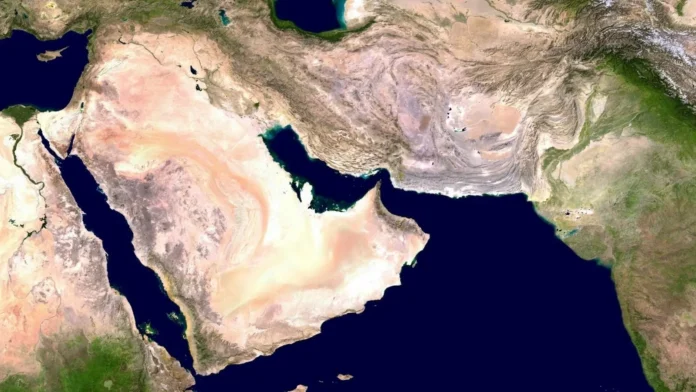
A confirmed agreement, even a partial one, would represent the most concrete diplomatic progress toward ending the Strait of Hormuz crisis since the conflict began in February. The strait normally carries around a fifth of the world’s oil and natural gas trade, and its closure has driven up fuel and basic goods prices globally, contributing significantly to elevated inflation readings worldwide throughout 2026.
The disclosure regarding Khamenei’s health and public absence adds a significant and previously less publicly discussed dimension to the negotiations, raising questions about the state of Iran’s supreme decision-making authority at a moment when a major national agreement requires his direct sign-off. His continued absence from public view, if accurately linked to war injuries, would represent one of the most significant disruptions to Iran’s leadership structure in decades.
Trump faces his own political pressure to secure a resolution, given mounting domestic frustration over the unpopular war ahead of US congressional elections. That pressure adds urgency to the administration’s public optimism, even as market participants, chastened by a summer of repeated “false dawns,” continue to treat announcements of imminent breakthroughs with some skepticism.
Context and Background
The proposed Oman-mediated arrangement is described by officials as a temporary solution, tied to an earlier agreement reached between the US and Iran in June that aimed to end the fighting and reopen the strait but ultimately collapsed in July when hostilities resumed. Iran has separately drafted a bill, currently under review by its parliament’s National Security Commission, to regulate strait traffic including restrictions on certain vessels and penalties for violators, an initiative distinct from the Oman negotiations specifically covering commercial shipping.
Trump’s administration has previously ruled out any arrangement that would cement Iranian control over the strait, viewing such an outcome as a major loss for the US and a break with the international norm of the waterway functioning as an open international passage, as it operated before the war began in late February.
Oil markets have responded cautiously to the latest developments. Brent crude rose roughly 1.2% Thursday morning to trade near $80 a barrel, while US benchmark WTI crude rose about 1% to $76, with traders exercising caution given the pattern of previously announced breakthroughs that have not fully materialized over the course of the conflict.
Analysis
Regional analysts note that the specific framing of the emerging deal, an arrangement in which Iran maintains substantial operational control over shipping, security, and monitoring within the strait, represents a significant departure from the fully open international waterway that existed before the war, suggesting any agreement reached would mark a meaningful, if partial, shift in the region’s underlying power dynamics rather than a simple return to pre-war conditions.
Iran-watchers point to the reported uncertainty around Khamenei’s health and public absence as a factor that could introduce additional unpredictability into the approval timeline, given that final sign-off on a major national security matter of this significance would typically require direct engagement from Iran’s highest authority under the country’s political system.
Some analysts caution that the accusations of “theater diplomacy” from Iran’s own negotiating team, delivered even as the Oman track shows genuine signs of progress, suggest that Tehran remains deeply wary of any framing that would portray it as capitulating to direct US pressure, a dynamic likely to continue shaping how both sides publicly characterize the negotiations regardless of the substantive progress being made through intermediary channels.
What Happens Next
Markets, shipping companies, and regional governments will be watching closely for confirmation of Khamenei’s approval of the draft agreement, given that his sign-off appears to be the final remaining procedural step before a formal announcement. Trump’s suggestion that a deal could come within a day or two will face its own test against a summer defined by repeatedly missed diplomatic timelines.
Even if the Oman-mediated agreement is finalized, its described status as a temporary and partial arrangement suggests that a fuller resolution to the broader Strait of Hormuz crisis, and the underlying US-Iran conflict driving it, will likely require additional, more extensive negotiations in the weeks and months ahead.