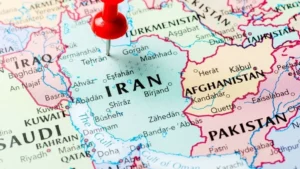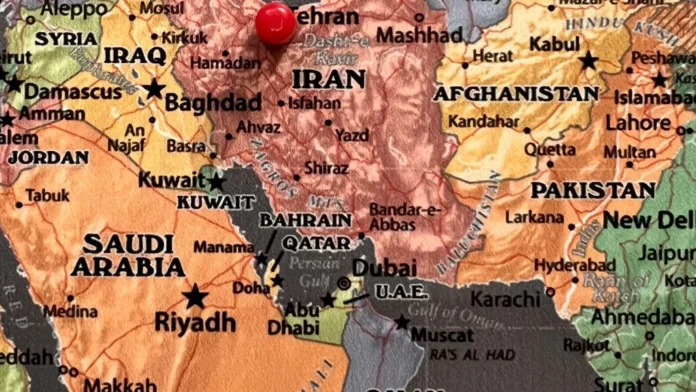

Foreign ministers from Iran and the Gulf Cooperation Council are set to meet in the Omani city of Salalah on Monday, marking the first gathering between Tehran and the six-nation bloc since the US-Israeli war on Iran began more than six months ago, in an Omani-led push to secure a temporary deal managing shipping through the Strait of Hormuz.
What Happened
Iran’s Foreign Ministry announced Friday that the country would attend the meeting, saying it was intended to “promote better understanding among the countries of the region and help strengthen shared regional security.” Ministry spokesman Esmail Baghaei added that “Iran remains committed to ensuring the security of navigation in the strait.” The Financial Times reported the gathering was called at Oman’s initiative, with several GCC states having confirmed participation, though details had not been fully finalized as of the weekend.
A senior Iranian official told Reuters on condition of anonymity that no signed agreement is expected to emerge from Monday’s meeting, describing it instead as an opportunity to discuss Hormuz alongside other regional issues. According to the official, Iran continues to seek an arrangement that would allow it to collect fees from ships transiting the strait, a proposal Oman has rejected. Bahrain’s government said Saturday it would not attend the meeting until diplomatic relations between the two countries are restored, illustrating the lingering divisions among Gulf states even as the broader talks proceed.
The meeting follows weeks of bilateral negotiations between Iran and Oman, which share opposite banks of the strait, over a framework to manage traffic through the waterway. Iran’s Deputy Foreign Minister Kazem Gharibabadi had said in late August that the two countries agreed on a temporary maritime corridor, though he stressed the strait would not fully reopen until the US lifts its naval blockade and fulfills commitments under a June memorandum of understanding that has since lapsed.
Why It Matters
The gathering represents the first direct, formal engagement between Iran and the full Gulf Cooperation Council bloc since fighting began on February 28, a notable diplomatic milestone regardless of whether it produces a signed agreement, given the extent to which the war has isolated Tehran from its Gulf neighbors throughout the conflict.
Any eventual deal governing Hormuz traffic carries direct significance for global energy markets, given that the strait normally carries roughly a fifth of the world’s oil and liquefied natural gas supply, a flow that has been severely disrupted since the war began and further strained by this month’s escalation, including the destruction of multiple Iranian tankers and expanded strikes across the region.
Bahrain’s refusal to attend absent restored diplomatic ties underscores that even a successful meeting is unlikely to produce full Gulf unity on the issue, reflecting the complicated bilateral relationships some individual GCC members maintain with Iran independent of the broader multilateral effort Oman is spearheading.
Context and Background
The Strait of Hormuz has been effectively closed to normal shipping traffic since the war began, with vessel transits collapsing from a pre-war average of roughly 125 large commercial vessels daily to just single digits in recent weeks, according to ship-tracking data, reflecting the scale of disruption the conflict has caused to one of the world’s most critical maritime chokepoints.
The June memorandum of understanding that briefly de-escalated the conflict called for Iran to make arrangements for safe, free passage of commercial vessels for 60 days while Tehran conducted dialogue with Oman on the strait’s future management, a framework that collapsed when the US resumed large-scale strikes on Iran in July after accusing Tehran of violating its terms.
Washington has largely opposed any Iran-Oman deal that does not directly involve the United States, and has reportedly warned other Gulf states against negotiating independently with Tehran, adding a further layer of complexity to Monday’s meeting given that any practical resolution to the blockade would likely still require American cooperation.
Analysis
Regional diplomacy analysts note that Oman’s role in convening Monday’s meeting reflects its long-standing position as a neutral intermediary between Iran and both the US and its Gulf neighbors, a role the country has consistently leveraged throughout the conflict to keep some diplomatic channel open even during periods of intense fighting.
Some analysts caution that Iran’s continued insistence on collecting transit fees from ships using the strait, a demand Oman has rejected, suggests a fundamental disagreement remains unresolved even as both sides describe progress, meaning Monday’s meeting may serve more to establish a framework for continued negotiation than to produce immediate practical change.
Energy market analysts point to the timing of the meeting, arriving as Hormuz traffic sits at some of its lowest levels of the entire war, as underscoring the urgency Gulf states feel in finding some resolution, even a partial or temporary one, given the sustained economic cost the disruption has imposed across the region.
What Happens Next
Monday’s meeting in Salalah will be closely watched for any concrete outcomes, though the Iranian official’s comments suggest expectations should remain modest regarding an immediate signed agreement. Continued bilateral Iran-Oman negotiations on the specific terms of a shipping corridor are expected to proceed regardless of the broader meeting’s outcome.
Markets and shipping companies will continue monitoring both Monday’s talks and the underlying US-Iran conflict for any signs of a durable resolution to the strait’s continued closure, given the demonstrated sensitivity of global oil prices to any development in the Hormuz situation throughout the war.