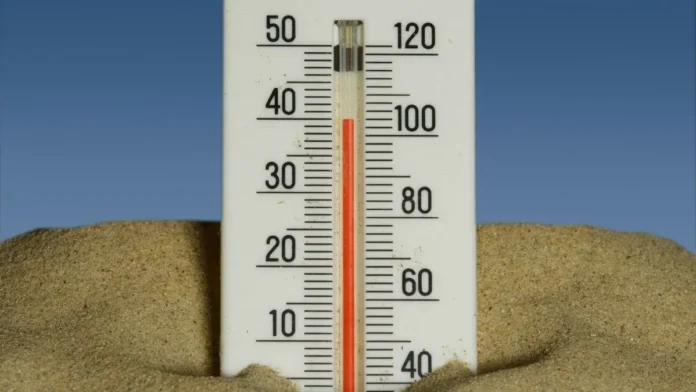

Extreme heat is rapidly emerging as one of the most visible and disruptive consequences of climate change, with record-breaking temperatures becoming more frequent across multiple regions of the world.
Recent data shows that heatwaves are not only increasing in frequency but also becoming more intense and longer-lasting, affecting both developed and developing economies.
This trend is reshaping how governments, businesses and communities think about climate risk.
A Growing Pattern
Historically, extreme heat events were relatively rare.
Today, they are becoming increasingly common.
Temperature records are being broken more frequently, and events that were once considered exceptional are now occurring regularly.
This shift reflects broader changes in global climate systems driven by rising greenhouse gas emissions.
Economic Impact
Extreme heat has wide-ranging economic consequences.
Agriculture is one of the most affected sectors.
High temperatures can reduce crop yields, affect livestock and disrupt planting cycles.
Energy systems are also under pressure.
Increased demand for cooling leads to higher electricity consumption, which can strain power grids and increase energy costs.
Labor productivity is another critical factor.
Outdoor workers and industries such as construction and agriculture are particularly vulnerable to heat-related disruptions.
Infrastructure Stress
Heatwaves also affect infrastructure.
Roads, railways and power systems can be damaged by prolonged exposure to high temperatures.
Urban areas are particularly vulnerable due to the “urban heat island” effect, where built environments retain heat.
This can increase the intensity of heatwaves in cities and create additional challenges for public health and infrastructure management.
Public Health Risks
Extreme heat poses significant risks to public health.
Heat-related illnesses and fatalities increase during prolonged heatwaves, particularly among vulnerable populations such as the elderly and those with pre-existing health conditions.
Healthcare systems may face increased pressure during such events.
Climate Science Perspective
Scientists have established a strong link between global warming and the increasing frequency of extreme heat events.
As global temperatures rise, the probability of extreme heat increases.
Climate models suggest that this trend will continue unless significant reductions in greenhouse gas emissions are achieved.
What Happens Next
Adapting to rising temperatures will require coordinated efforts across multiple sectors.
Governments may need to invest in resilient infrastructure, improve early warning systems and develop policies to protect vulnerable populations.
Businesses will need to adapt operations to changing climate conditions.
For now, extreme heat is no longer a distant concern but an immediate challenge shaping both environmental and economic systems.