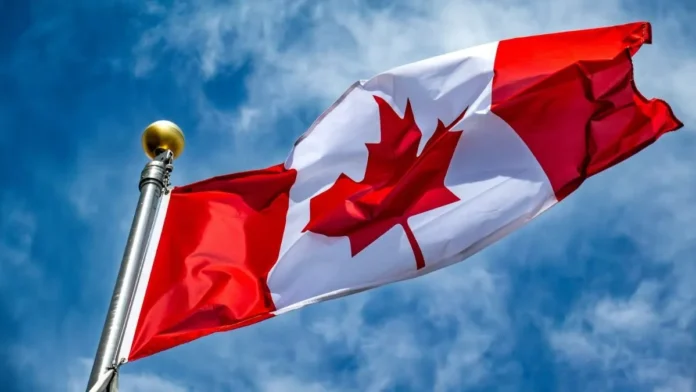

Canada is intensifying trade negotiations with Washington ahead of an August 19 deadline, when a sweeping new round of 50% US tariffs on Canadian goods, ranging from cement to dairy products to hockey sticks, is set to take effect, as Prime Minister Mark Carney warns his government is prepared to respond with what he calls “a full range” of countermeasures.
What Happened
President Trump invoked Section 338 of the Tariff Act of 1930 on July 20 to impose an additional 50% tariff on a wide range of Canadian goods. The tariffs, which will take effect 30 days after signing, apply broadly to covered goods including those previously protected under the US-Mexico-Canada Agreement, though they exclude energy, potash, and products already subject to separate Section 232 tariffs.
Speaking after a meeting with Canadian provincial premiers in Charlottetown, Prince Edward Island, Carney said “everything’s on the table” if the tariffs take effect as threatened, while emphasizing that immediate retaliation while negotiations continue would be “counterproductive.” Ontario Premier Doug Ford struck a more combative tone, stating that Canada should respond “tariff for tariff, dollar for dollar” if the measures proceed.
Trump has justified the new tariffs by citing what his administration describes as discriminatory Canadian trade practices, including a 25% Canadian tariff on US-made vehicles not qualifying for USMCA preferential treatment and provincial decisions to halt the sale of American alcoholic beverages, both of which followed earlier rounds of US tariffs on Canadian goods.
Why It Matters
The dispute represents a significant escalation in what has been an increasingly strained trade relationship between two of the world’s largest bilateral trading partners. Canada currently faces a patchwork of existing US tariffs, including 25% duties on steel and aluminum and a 10% general tariff, meaning the threatened 50% rate would represent a substantial additional burden on Canadian exporters across a wide range of industries.
For American consumers and businesses, tariffs on Canadian goods carry direct cost implications, particularly for industries reliant on Canadian inputs such as construction materials, food products, and manufacturing components. Economic analysts have noted that broader Trump-era tariffs implemented since 2025 have not meaningfully altered the overall US trade balance while contributing to an average tax increase of roughly $900 per US household this year.
The dispute also carries political weight in Canada, where Carney’s relationship with Trump has remained notably tense since Carney took office pledging a firm, “elbows up” posture toward US trade pressure. How Carney’s government navigates the coming weeks could shape both the immediate economic relationship between the two countries and Carney’s broader domestic political standing.
Context and Background
The current standoff traces back through a series of escalating tariff actions between the two countries beginning in 2025, when the Trump administration first imposed tariffs on Canadian goods citing insufficient action on fentanyl smuggling. Canada responded with its own retaliatory tariffs, including matching duties on US vehicles, setting off a cycle of tit-for-tat measures that has continued intermittently since.
The July 20 tariff proclamation specifically cited Canadian trade practices around dairy and cheese imports, alcohol sales restrictions in most Canadian provinces and territories, and automotive tariffs as justification, with the White House characterizing these Canadian measures as “discriminatory” even though several were themselves responses to earlier US tariff actions.
This latest round of tariffs also arrives alongside a broader expansion of US trade policy in 2026, including new Section 301 tariffs affecting 60 countries over forced labor concerns and an ongoing Section 301 investigation into structural manufacturing overcapacity among 16 major trading partners, reflecting a wider pattern of expanding US trade enforcement actions across multiple fronts simultaneously.
Analysis
Trade policy analysts note that the compressed timeline before the August 19 deadline leaves limited room for a comprehensive resolution, given the complexity of the issues at stake, spanning agriculture, automotive manufacturing, and alcohol distribution regulations that involve both federal and provincial Canadian authorities. That complexity suggests a full resolution before the deadline may be difficult to achieve, even with intensified negotiations.
Some economists caution that a 50% tariff rate, if fully implemented, would represent one of the most severe trade barriers imposed between the two countries in decades, with the potential to significantly disrupt supply chains for industries on both sides of the border that have operated under largely tariff-free conditions for much of the past three decades under prior trade agreements.
Analysts also point to Carney’s emphasis on avoiding immediate retaliation as reflecting a calculated strategy to preserve negotiating room, though provincial leaders like Ford’s more aggressive public posture suggests Carney faces some domestic political pressure to demonstrate a firmer response if talks do not yield results before the deadline.
What Happens Next
Canadian and US negotiators are expected to continue intensive talks in the coming weeks as the August 19 deadline approaches. Carney has indicated Canada’s response, if the tariffs proceed, would be calibrated and reciprocal rather than immediate, though the specific measures under consideration have not been publicly detailed.
Markets and affected industries on both sides of the border will be watching closely for signs of either a negotiated resolution or confirmation that the tariffs will proceed as scheduled, given the significant potential disruption to cross-border trade in the affected sectors.