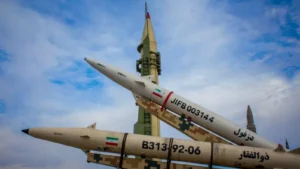
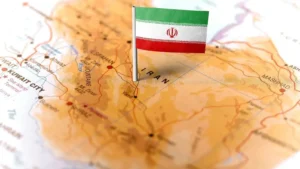
The language is familiar. Two weeks ago, as a similar deadline approached, Trump threatened that “a whole civilization will die tonight” if Iran did not accept terms. Pakistan’s Field Marshal Munir intervened. A ceasefire emerged 90 minutes before the deadline. The world exhaled.
Today, Trump is running the same playbook. The question is whether the same outcome is available.
What Trump Said Monday
President Donald Trump on Monday again threatened Iran with overwhelming military force, saying “lots of bombs will start going off” if no deal is reached before the shaky ceasefire with Tehran expires Tuesday evening. The latest threat was made in a phone call with a PBS News reporter.
Trump said the ceasefire with Iran ends “Wednesday evening Washington time,” adding it’s “highly unlikely” he would extend it if a deal is not reached before then. In the course of one question-and-answer session with reporters last week, he was asked five separate times whether he would extend the ceasefire and offered three different answers: “If there’s no deal, fighting resumes,” he said definitively at one point. Later, he allowed he would offer an extension if necessary: “If we need to, I would do that.”
Trump in a Truth Social post Monday boasted that the blockade is “absolutely destroying Iran” and declared it will not be lifted until a deal is struck. He also insisted the deal being made with Iran “will be FAR BETTER than the Obama-era JCPOA.” He also stated he does not feel obligated to cut a deal within six weeks, his initial prediction for the length of the war.
What Is Different This Time
On April 7, when Trump issued his “whole civilization will die” threat, the conditions for a last-minute deal were actually present: Pakistan had a ceasefire framework ready, Iranian officials had drafted a 10-point plan, and both sides had strong economic incentives to pause. The ceasefire happened not because Trump blinked but because Pakistan offered a face-saving bridge.
Tonight, the conditions are different in several important ways:
Iran has already fired on commercial vessels. The US has seized an Iranian ship. Both sides have accused the other of ceasefire violations. Iran’s public position is that there are no talks planned. And the nuclear gap — 20 years vs 5 years of enrichment suspension — remains exactly where it was 10 days ago.
The Trump administration came in with maximalist demands and “actually just wanted Iran to capitulate,” said Wendy Sherman, who served as deputy secretary of state during the Biden administration. “No nation — even one as odious as the Iran regime — is going to capitulate.” Iran was attacked twice in the past year: first during nuclear negotiations in June, and then again at the start of the latest conflict in late February. “The level of trust is probably almost at an all-time low,” former Iran negotiator Rob Malley added. “It’s hard for them to take at their word what they’re hearing from US officials.”
The Pakistan Variable
Egypt is continuing efforts to bring the United States and Iran back to the negotiating table in coordination with Pakistan, a regional source familiar with the talks told CNN. Pakistan’s Munir is in the region. The Islamabad security lockdown suggests Islamabad at minimum expects talks to occur.
A last-minute extension is not impossible. But it requires Iran to show up at Islamabad — something its foreign ministry is publicly denying — and for Pakistan to broker a framework both sides can accept before the clock runs down.
Tonight is the test.