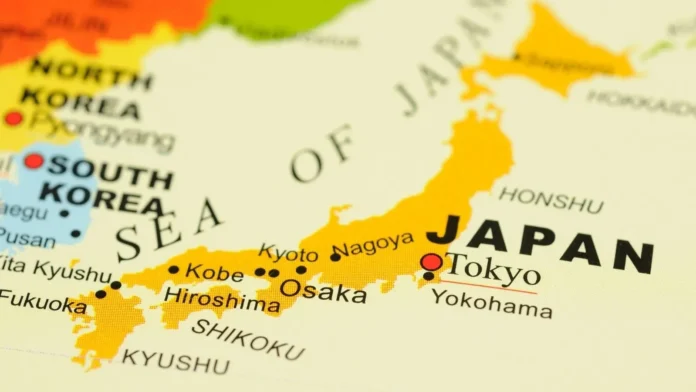

Record-breaking rainfall flooded cities east of Tokyo overnight Thursday, killing at least five people, injuring more than two dozen others, and stranding thousands, as Japan’s meteorological agency recorded unprecedented hourly rainfall totals in the prefecture of Chiba.
What Happened
The Japan Meteorological Agency recorded 11.5 centimeters, or 4.5 inches, of rain in a single hour in Chiba City, and 9.7 centimeters, or 3.8 inches, in one hour in the city of Sakura, both unprecedented totals for the region. The agency issued its most severe heavy-rain warning across more than a dozen municipalities in Chiba prefecture before downgrading it Friday morning as the rain began to subside, though further rain was forecast later in the day.
Chiba prefecture officials confirmed five deaths, including a man found floating on a flooded road in Ichikawa city. More than two dozen people were injured, and thousands were left stranded overnight as flooding submerged roads, homes, cars, and sections of railway track. Japan’s Ground Self-Defense Force dispatched buses to evacuate roughly 4,000 people who had been stranded overnight at Soga train station, a route that also serves Tokyo Disney, which reported no damage to the park itself.
Power outages affected as many as 68,000 homes at the height of the flooding Thursday, a figure that had fallen to approximately 18,000 by Friday as utility crews worked to restore service. University of Tokyo civil engineering professor Koji Ikeuchi told the Nikkei business daily that the rainfall likely exceeded the design capacity of Chiba’s urban sewer systems, with extensive paved and concrete surfaces in the area’s built-up neighborhoods contributing to the severity of the overflow.
The flood in Tokyo looks very clean! pic.twitter.com/xJFaQ0aUdK
— Wisarut Suwanprasert (@invariance) August 13, 2026
Why It Matters
The unprecedented hourly rainfall totals recorded in both Chiba City and Sakura underscore how extreme individual weather events continue to test infrastructure designed for historical rainfall patterns, even in a country like Japan with generally sophisticated urban planning and disaster preparedness systems. When rainfall intensity exceeds a sewer system’s designed capacity, flooding can occur rapidly and with limited warning, as appears to have happened Thursday night.
The disruption to transportation infrastructure, including train service and the temporary stranding of thousands of commuters and travelers, illustrates the broader economic and logistical toll such events impose on densely populated metropolitan areas, even when the affected region avoids the kind of catastrophic, widescale destruction seen in some other major flooding disasters this year.
The incident adds to a pattern of increasingly severe and unpredictable rainfall events observed globally throughout 2026, following major flooding disasters in the Philippines and elsewhere earlier in the summer, part of a broader trend that climate researchers have linked to a warming atmosphere’s capacity to hold and release greater volumes of moisture during individual storm events.
Context and Background
Japan’s meteorological agency maintains a tiered warning system for heavy rainfall, with its most severe designation reserved for situations posing significant risk to life, a threshold that was met across more than a dozen Chiba municipalities during Thursday night’s storm before conditions began improving Friday morning.
Chiba prefecture, located east of central Tokyo, is a densely populated region home to significant residential and commercial development, including Tokyo Disney Resort, making it particularly vulnerable to disruption when major infrastructure like rail lines and roadways become impassable due to flooding.
Japan experiences a range of severe weather events throughout its summer season, including typhoons and intense localized rainfall, though officials specifically characterized Thursday night’s rainfall intensity in Chiba as unprecedented, distinguishing it from more routine seasonal heavy rain events the region typically experiences.
Analysis
Urban infrastructure experts note that Ikeuchi’s assessment, pointing to the mismatch between the rainfall’s intensity and the sewer system’s designed capacity, reflects a broader challenge facing many cities worldwide: drainage infrastructure built to historical rainfall standards is increasingly being tested by storms that exceed those design parameters, a pattern consistent with the kind of intensifying rainfall events climate scientists have projected for urban areas globally.
Disaster response analysts point to the relatively swift mobilization of Japan’s Ground Self-Defense Force to evacuate stranded commuters as reflecting the country’s generally well-established emergency response protocols, even as the incident highlights the continued vulnerability of transportation networks to sudden, extreme rainfall events regardless of a country’s broader disaster preparedness infrastructure.
What Happens Next
Japanese authorities are expected to continue monitoring conditions in Chiba prefecture given the forecast for additional rain later Friday, with power restoration efforts continuing for the remaining affected households. Full damage assessments and confirmation of the ultimate death toll are expected to continue in the coming days as flood waters recede.
The incident is likely to prompt renewed attention to urban drainage infrastructure capacity in Chiba and potentially other similarly vulnerable Japanese metropolitan areas, given the specific technical assessment that this week’s rainfall exceeded existing system design standards.