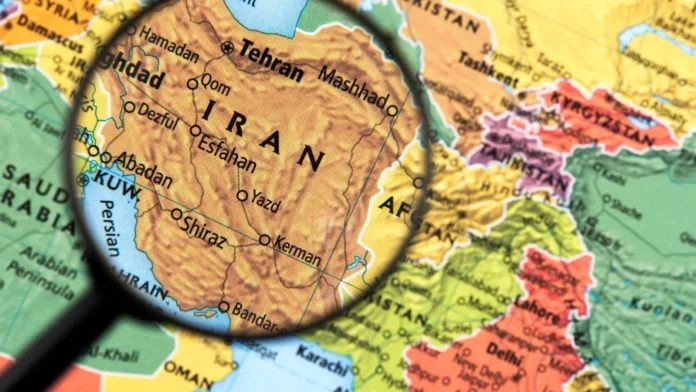

In one of the sharpest 24-hour reversals of the entire Iran war, the Strait of Hormuz went from “completely open” to fully re-closed between Friday afternoon and Saturday night. Iran’s IRGC fired on multiple commercial vessels attempting to transit the waterway, including ships from France, the United Kingdom and India — and declared that Hormuz is back under “strict management and control.”
The Timeline of the Reversal
On Friday, Iran’s Foreign Minister Araghchi declared the Strait of Hormuz “completely open” for commercial vessels in line with the Lebanon ceasefire. Oil markets celebrated with an 11% crash in crude prices.
Within hours, the picture shifted. Trump said on Truth Social that the US would maintain its blockade on Iranian ports until a deal was finalised. Shortly after, Iranian state media said their foreign minister had misspoken, insisting that only civilian vessels authorized by the IRGC were allowed to pass through shipping lanes designated by Tehran.
Iran’s IRGC announced a clear reversal, saying the Strait of Hormuz would not return to its “previous state” amid the blockade of Iranian ports. The IRGC’s joint military command said the US had “continued acts of piracy and maritime theft under the guise of a so-called blockade.” The control of the Strait returned to its “previous state,” under strict management by Iran’s armed forces.
The Ships That Came Under Fire
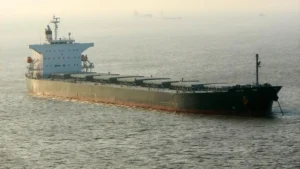
Trump accused Iran of firing on ships in the Strait on Saturday. “Many of them were aimed at a French ship, and a Freighter from the United Kingdom,” he wrote. Maritime authorities reported gunfire and a projectile strike involving Indian vessels in the strait.
French shipping company CMA CGM said one of its vessels was the target of warning shots. Iranian state media confirmed shots were fired near two Indian ships to force them to turn back.
India summoned the Iranian ambassador in New Delhi and expressed “deep concern” that two Indian-flagged ships had come under fire in the strait.
What Iran Says
Iran’s parliamentary speaker Mohammad Baqer Qalibaf said in remarks broadcast on state television: “It is impossible for others to pass through the Strait of Hormuz while we cannot.” Iran’s National Security Council said the country is “determined to exercise supervision and control over traffic through the Strait of Hormuz until the war is definitively ended and lasting peace is achieved in the region.”
The Oil Market Response
Oil prices climbed Sunday as Iran again blocked most ships through the Strait of Hormuz. Brent crude was up about 7% to $96.88, after settling Friday at its lowest level since March 10. US crude was up 7% to $90.33. No tankers passed through the Strait of Hormuz on Sunday, according to tracking data.
The ceasefire expires Wednesday. The strait is closed. A US Navy ship has seized an Iranian vessel. Iran has promised retaliation. And the planned Monday talks in Islamabad are in doubt. The 24 hours of optimism that Friday produced has been entirely consumed by the events of the weekend.