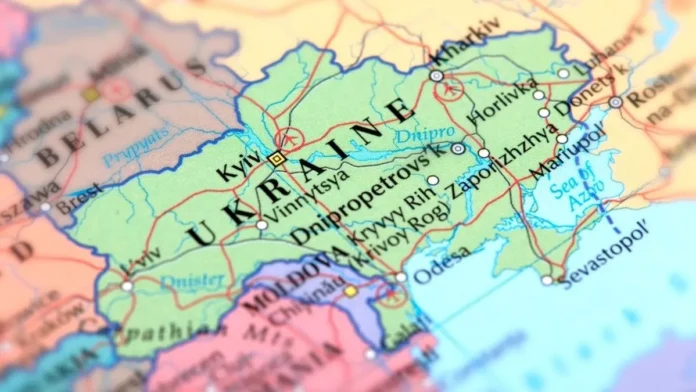

In a closely watched session at the United Nations General Assembly, India abstained on a resolution calling for an immediate, full and unconditional ceasefire between Russia and Ukraine — a rare diplomatic position that signals both caution and strategic nuance.
The move came as Kyiv presses for renewed international action amid a grinding conflict that has now entered its fourth year, drawing considerable global attention and leading to shifts in alliances and policy priorities.
What Happened at the UN
India’s abstention differed from several Western and allied nations that supported the ceasefire resolution. In New Delhi’s official statement, officials cited concerns about the resolution’s wording and the need for a more balanced framework that accounts for broader geopolitical dynamics and long-term conflict resolution mechanisms.
Some diplomats viewed India’s approach as an attempt to maintain diplomatic flexibility, especially given New Delhi’s strategic relationships with both Western partners and Moscow.
Why It Matters
1. Geopolitical Signaling
India’s abstention reflects a delicate diplomatic balance between supporting peace initiatives and maintaining its defense and energy ties with Russia. New Delhi’s stance may be driven by a desire to avoid appearing aligned with one bloc at the expense of another.
2. Impact on Conflict Diplomacy
While the resolution was non-binding, abstention from a major emerging power shifts the narrative. Analysts suggest that broader consensus on conflict cessation becomes harder when major nations opt for neutrality or balanced positioning.
3. Relationship with Western Partners
India’s choice may affect diplomatic dynamics in dialogues with the United States, EU nations, and NATO partners, who increasingly push for unified positions on Russia and Ukraine.
Domestic and International Reaction
International observers had mixed responses. Some onlookers interpreted India’s position as constructive — holding space for inclusive peace negotiations. Others criticized it as lacking moral clarity on the urgency of peacemaking.
In Indian media, commentators noted that foreign policy often prioritizes national interests and strategic autonomy.
What Comes Next
Future diplomatic engagements to watch:
- Bilateral conversations between India and European Union representatives.
- India’s foreign minister statements on broader conflict resolutions.
- Any shifts in India’s defense cooperation discussions with both Western and Russian counterparts.
Takeaway:
India’s abstention on the UN ceasefire vote signals a nuanced diplomatic approach, balancing geopolitical ties while retaining strategic flexibility in a world grappling with prolonged conflict.