
Diplomacy is supposed to slow wars. Right now, it is failing to keep up with one.
In the latest developments, the United States has paused planned strikes on Iranian energy infrastructure while claiming that negotiations are ongoing.
On paper, that sounds like progress. In reality, the battlefield is telling a very different story.
Airstrikes are continuing. Frontlines are expanding. Regional actors are becoming more involved.
The gap between diplomacy and reality is widening — and that gap is becoming one of the most dangerous elements of this conflict.
A Pause That Changes Little
The US decision to delay attacks is being framed as a strategic pause — an opportunity for negotiations to progress.
But pauses do not stop wars. They only slow specific actions.
Meanwhile:
- Israel is expanding operations in both Iran and Lebanon
- Iranian responses continue through missiles and allied forces
- regional tensions are increasing across multiple countries
This creates a paradox:
Diplomacy is active, but escalation continues.
Why Ceasefire Talks Are Struggling
Ceasefire negotiations typically require three conditions:
- Mutual willingness to stop fighting
- Clear terms both sides accept
- A mechanism for enforcement
None of these are fully present.
Iran has rejected US proposals, calling them misleading and politically driven.
At the same time, military actions continue on all sides.
This creates a credibility problem.
If fighting continues during negotiations, trust erodes quickly.
The Multi-Front Reality
The conflict is no longer confined to a single front.
It now includes:
- Israel–Iran direct exchanges
- Lebanon front involving Hezbollah
- Gulf region threats and interceptions
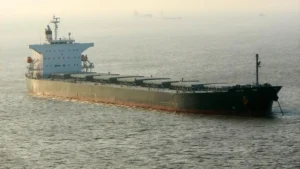
- potential expansion into shipping routes
Each front operates with its own dynamics.
Together, they create a system that is difficult to control.
The Risk of Parallel Escalation
One of the most dangerous features of the current phase is parallel escalation.
This occurs when multiple actors escalate independently, without coordination.
For example:
- one front intensifies while another attempts de-escalation
- diplomatic efforts lag behind military decisions
This leads to unpredictability.
Nuclear Concerns Enter the Equation
Recent strikes near sensitive nuclear infrastructure have raised alarms among international observers.
Even limited damage in these areas carries disproportionate risk.
This adds a new layer:
The conflict is no longer just conventional.
It carries strategic implications.
Why This Phase Is More Dangerous
Earlier stages of the conflict were intense but somewhat contained.
This phase is different.
It is defined by:
- simultaneous escalation across fronts
- breakdown of clear negotiation pathways
- increasing involvement of external actors
This combination increases the probability of miscalculation.
Markets and Global Systems React
Global systems are already reacting.
Energy markets remain volatile.
Investors are pricing in prolonged instability.
Supply chains are beginning to adjust.
The economic dimension is no longer secondary.
What Happens Next
Three scenarios are emerging:
1. Managed Escalation
Conflict continues but avoids major expansion
2. Regional Expansion
More actors join, increasing complexity
3. Systemic Conflict
Escalation spreads across multiple domains
At present, the second scenario is becoming more likely.
Conclusion
Ceasefire talks are still happening. But they are no longer defining the conflict. The battlefield is.
And right now, the battlefield is expanding faster than diplomacy can respond.