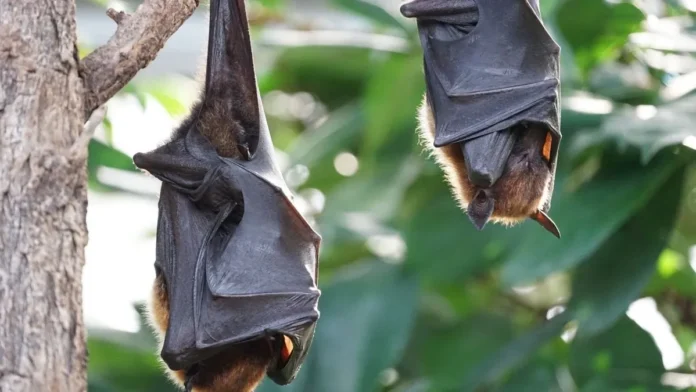

Researchers have discovered that more than 500 species of vesper bats possess two separate sets of antibody genes, an immune system arrangement never before found in any mammal, offering new insight into how bats are able to carry viruses like Ebola and coronaviruses without becoming sick themselves.
What Happened
Scientists studying the immune systems of vesper bats, the largest and most widespread family of bats found across nearly every continent except Antarctica, discovered that these species carry two distinct, separate sets of genes responsible for producing antibodies, the immune proteins that identify and help neutralize pathogens like viruses and bacteria. This dual antibody gene system has not been previously documented in any other mammalian species studied to date, according to the research.
The unusual immune architecture may help explain a long-standing scientific puzzle: how bats serve as natural reservoirs for numerous viruses that cause severe, often fatal disease in humans and other mammals, including Ebola, Marburg virus, and various coronaviruses, without the bats themselves developing significant illness from these infections. Researchers believe the dual gene set may provide bats with a broader and more flexible antibody repertoire, potentially allowing their immune systems to manage viral infections through mechanisms distinct from those in other mammals.
The discovery emerged from genetic analysis specifically focused on vesper bats’ immune gene architecture, adding to a growing body of research examining the unique physiological and immunological adaptations that allow bats to coexist with viruses that prove highly lethal when transmitted to other species.
Why It Matters
Bats’ well-documented role as reservoir hosts for viruses capable of causing severe human disease has made understanding their unique immune tolerance a significant priority for infectious disease researchers, particularly given the established pattern of major viral outbreaks, including certain coronavirus and Ebola outbreaks, tracing back to bat-origin viruses that eventually crossed into human populations.
Understanding the specific genetic and immunological mechanisms allowing bats to tolerate these viruses without severe illness could eventually inform research into how to prevent or better manage similar viral infections in humans, offering a novel biological model for studying viral tolerance that differs fundamentally from typical mammalian immune responses.
The discovery also carries broader significance for infectious disease surveillance and pandemic preparedness efforts, given that better understanding bat immune biology could help researchers more accurately assess which bat-borne viruses carry the greatest risk of eventually jumping to human populations and causing significant outbreaks.
Context and Background
Vesper bats represent the largest family of bats globally, comprising hundreds of species distributed across nearly every continent, making this newly discovered dual antibody gene system potentially relevant to understanding viral tolerance across an unusually broad and geographically dispersed group of mammals rather than a narrow, isolated species.
Bats have long been recognized by virologists as unusual among mammals for their apparent capacity to serve as reservoir hosts for a disproportionately large number of viruses capable of causing severe disease in other species, a pattern that has driven substantial prior research into bat immunology, metabolism, and other physiological adaptations that might explain this distinctive viral tolerance.
Prior research into bat immune systems has identified other unusual adaptations, including dampened inflammatory responses to viral infection compared with other mammals, adding this newly discovered dual antibody gene architecture to a growing catalog of distinctive immunological features that collectively may explain bats’ unique relationship with viral pathogens.
Expert Analysis
Immunologists studying the discovery note that having two separate sets of antibody-producing genes could theoretically provide bats with a significantly expanded and more adaptable range of possible antibody responses, potentially allowing their immune systems to respond to viral infections in ways that limit tissue damage and inflammation compared with the immune responses typically seen in other mammals facing the same pathogens.
Virologists researching zoonotic disease transmission, the process by which viruses jump from animal hosts to humans, note that a deeper understanding of bats’ unique immune tolerance mechanisms could eventually help researchers better predict and potentially intervene in the specific biological pathways that allow bat-origin viruses to become dangerous once they cross into human hosts, who lack the same protective immune adaptations.
Researchers caution that translating this foundational discovery about bat immune gene architecture into practical applications for human disease prevention will likely require substantial additional research, given the significant biological differences between bat and human immune systems even with this newly identified area of comparative study.
What Happens Next
Researchers are likely to pursue further investigation into how the dual antibody gene system functions mechanistically within bat immune responses, building on this foundational genetic discovery to better understand the specific biological processes underlying bats’ notable viral tolerance.
Given the significant public health relevance of understanding bat-borne viral reservoirs, continued research in this area is likely to remain a priority for infectious disease and pandemic preparedness researchers, particularly as scientists work to better anticipate which bat-associated viruses carry the greatest risk of future zoonotic spillover into human populations.