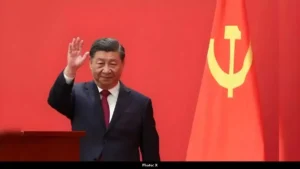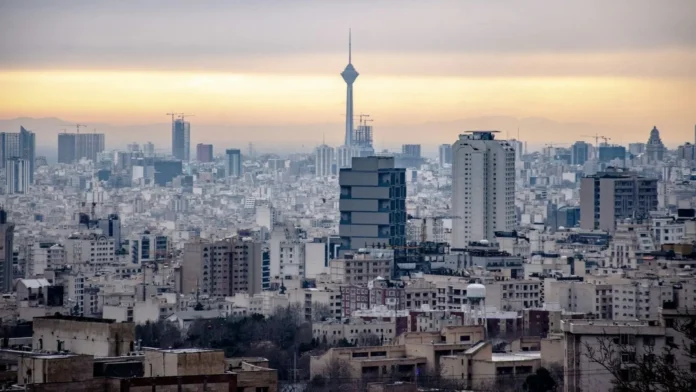

Friday morning in Tehran. The overnight news from the Great Hall of the People in Beijing has been processed by Iran’s leadership. Here is the honest assessment of what each element of the summit means for Iran’s position.
The Nuclear Weapon Consensus — Iran’s Most Important Loss
Both countries agreed that Iran can never have a nuclear weapon, the official said.
For the entire 75-day war, Iran’s diplomatic strategy has relied on China’s ambiguity on the nuclear question. Beijing called for “comprehensive ceasefire” — not for nuclear limits. Beijing expressed concern about “global stability” — not about Iranian enrichment. That ambiguity gave Iran’s hardliners political cover: “even China doesn’t demand we give up our nuclear programme.”
That cover has been withdrawn. China has now, in a bilateral with the United States, co-signed the position that Iran can never have a nuclear weapon. Araghchi’s civilian team can now point directly at Beijing and say to the IRGC: our most important ally has agreed with Washington. There is no diplomatic space remaining for a position that includes nuclear weapons.
The American Oil Interest — China’s Reduced Dependence
Xi expressed interest in buying more American oil to reduce China’s dependence on the Strait in the future.
If China shifts from Iranian shadow fleet crude to American LNG and crude, the long-term strategic significance for Tehran is enormous. China’s oil relationship with Iran is one of the primary reasons Tehran has been able to sustain the war beyond the point where its domestic economy would otherwise have forced capitulation. If Beijing signals — even gradually — that it is diversifying away from Iranian supply, the economic lifeline becomes less reliable over time.
What Iran’s Two Factions Read
The Civilian Team’s Reading (Araghchi, Pezeshkian): China has confirmed the nuclear weapon red line. The US-China bilateral consensus provides the civilian team with its strongest argument yet against the IRGC’s blocking of the MOU. The strategic stability framework reduces China’s urgency to help Iran (good for Iran’s leverage), but the nuclear consensus means Iran cannot use China as cover for the nuclear position. The next counter-proposal must address nuclear limits.
The IRGC Hardliners’ Reading: China has partially abandoned us on the nuclear question. The American oil interest is a long-term threat to our economic lifeline. The strategic stability framework means China is prioritising its relationship with the US over its relationship with Iran. The correct response is to accelerate Iran’s nuclear programme before any deal is signed — use the Khamenei nuclear assets statement as political cover, and present the hardened nuclear position as a fait accompli.
The race between those two readings — and which one wins in Tehran — will determine whether the MOU gets signed in the next two weeks or whether the Iran war enters its fourth month with the diplomatic landscape permanently reshaped by what happened in Beijing Thursday.