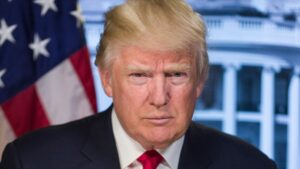
President Donald Trump signed a sweeping executive order on Thursday, introducing reciprocal tariffs ranging from 10% to 41% on imports from dozens of countries. The move marks a major escalation in his trade agenda ahead of the self-imposed August 1 deadline.
Among the targeted nations, the new tariffs include:
- 25% on exports from India
- 20% on goods from Taiwan
- 30% on imports from South Africa
The White House confirmed that the tariffs will take effect in seven days, signaling a significant shift in U.S. trade policy that could strain global supply chains and international alliances.
Tariffs Will Impact 68 Nations and the EU
The executive order, released shortly after 7 p.m. on Thursday, outlined tariff rates for 68 countries and the 27-member European Union. Nations not specifically named in the document will face a default tariff rate of 10%.
A senior administration official explained that the tariff levels were calculated based on each country’s trade imbalance with the U.S. and its regional economic role.
Trump Raises Canada Tariff to 35% Amid Fentanyl Dispute
In a separate move, Trump also raised tariffs on Canadian imports from 25% to 35%, effective August 1. The hike specifically targets products linked to fentanyl-related trade, as tensions rise over drug trafficking concerns.
“Canada has failed to cooperate in curbing the ongoing flood of fentanyl and other illicit drugs, and it has retaliated against the United States,” the White House said in a fact sheet released Thursday night.
Despite the increase, products under the US-Mexico-Canada Agreement (USMCA) remain exempt. This exemption, heavily lobbied for by U.S. automakers and manufacturers, allows most goods from Canada and Mexico to continue flowing without additional tariffs.
Impact on Trade and the Global Economy
The executive order reflects a broader push by Trump to reassert American leverage in global trade, using tariff reciprocity as a core tool.
The Bank of Canada estimated that the average U.S. tariff on Canadian goods stood at approximately 5% before the new action. That figure is now expected to rise modestly, though core sectors protected by USMCA are largely shielded.
This latest round of tariffs follows several days of intense negotiations between the U.S. and multiple international trade blocs, aimed at softening the blow ahead of the implementation date.
What’s Next?
With the executive order now in place, global markets and U.S. importers are expected to respond in the coming days. Economists are warning that the tariff increases could trigger retaliatory measures, further complicating international trade relations.
As Trump pushes forward with his 2025 agenda, trade policy remains a central pillar of his platform—one that continues to redefine America’s role in the global economy.