
Diplomatic deadlines are often the most reliable predictors of diplomatic outcomes. For 69 days, the Iran war has operated in a state of managed stalemate — enough ceasefire to prevent resumed full-scale combat, not enough progress to produce a deal. On Thursday, a specific external deadline emerged that changes the calculation for both sides: Trump’s China trip next week.
What Trump Said
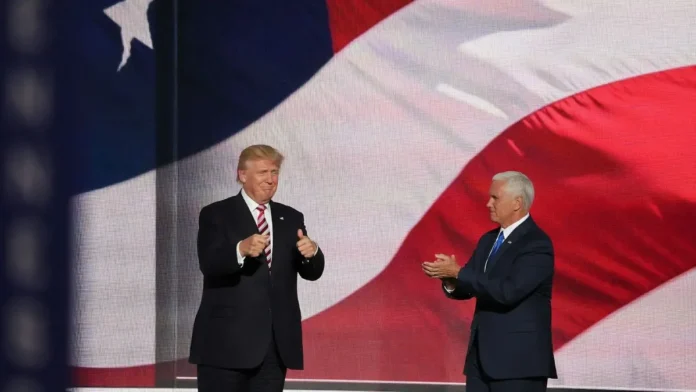
Trump said he was optimistic about reaching an agreement before his scheduled trip to China next week. Speaking to reporters at the White House, Trump said Iran wants to “make a deal badly” and that “if we get there, they can’t have nuclear weapons.” “We’ve had very good talks over the last 24 hours, and it’s very possible that we’ll make a deal,” he said.
Trump told PBS that he was optimistic about reaching an agreement before his scheduled trip to China next week.
“Before his scheduled trip to China” is the operative phrase. China next week is a real date — a specific trip with a confirmed itinerary, bilateral meetings with Xi Jinping, and an international audience watching for what the world’s two most powerful economies decide about tariffs, trade, Taiwan, and the Iran war simultaneously.
Why China Needs Iran Resolved
China’s Wang Yi told Araghchi in Beijing Tuesday that “a comprehensive ceasefire is urgently needed.” Beijing has been diplomatically aligned with the call for a deal throughout the war.
And China’s own interests in a resolution are substantial: the Hormuz closure has increased global oil prices by 50%, disrupting Chinese manufacturing cost structures; Chinese state enterprises have been caught between buying discounted Iranian oil and risking US secondary sanctions; and Chinese diplomatic credibility is invested in a resolution that Beijing can claim credit for facilitating.
Trump arriving in Beijing while still actively running a naval blockade of Iran — with the Strait of Hormuz closed, Brent above $100, and US forces exchanging fire with Iranian assets — weakens his negotiating position on every other agenda item. Xi can credibly argue that US unilateralism and the resulting energy market disruption is causing economic damage that must be addressed before trade concessions are possible.
A deal before Beijing reverses that leverage. Trump arrives as the president who ended the Iran war, reopened Hormuz, and is now ready to discuss trade on equal terms. That is the summit he wants. The China trip deadline is not a coincidence — it is a political calculation that is visible in every Trump statement about the deal’s imminence.
What Pakistan Said Thursday
Pakistan’s Foreign Ministry spokesperson Tahir Andrabi told NPR on Thursday: “Our hope and expectation is for an agreement sooner rather than later.”
Pakistan’s “sooner rather than later” — from the country that has brokered every breakthrough in this conflict — is as close to a timeline confirmation as Pakistani diplomatic language ever provides.
Pakistan does not express public optimism casually. When Islamabad says “sooner rather than later,” it means the back-channel has produced enough convergence that a deal is genuinely possible within days rather than weeks.
The combination of Trump’s China trip deadline, Pakistan’s expressed optimism, the MOU nuclear details being confirmed, and Iran’s expected response to the proposal on Thursday creates a specific window — the next 72-96 hours — in which the deal that has been 69 days in the making could finally be signed.