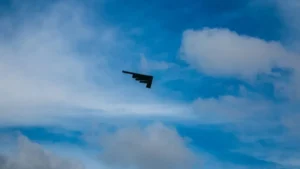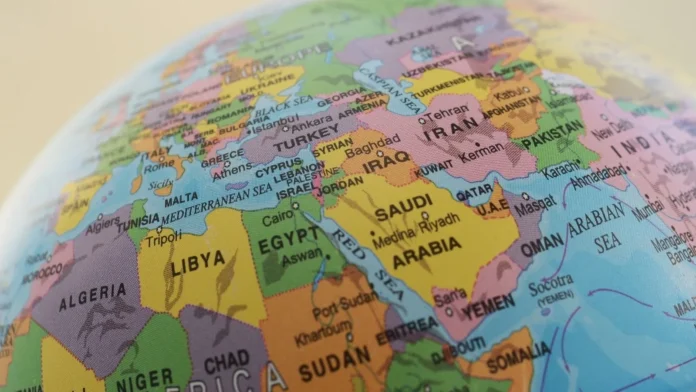

The United Kingdom’s decision to deploy additional military assets to the Middle East marks a significant turning point in the conflict’s trajectory.
What began as a regional confrontation is increasingly becoming an international crisis.
By sending troops and advanced air defense systems, the UK is signaling both concern and commitment. This is not a symbolic move. It reflects a strategic assessment that the risks of the conflict now extend beyond immediate participants.
What the UK Is Deploying — And Why It Matters
The UK deployment includes:
- advanced air defense systems such as Sky Sabre
- additional military personnel
- support for air operations
These systems are designed to intercept missiles and drones, providing protection for critical infrastructure and military bases.
Their deployment highlights a key shift: the focus is moving toward defense against sustained threats rather than isolated incidents.
The Gulf as a Strategic Priority
The Gulf region remains central to global energy supply and trade.
Any instability here has immediate consequences:
- disruption of oil exports
- increased shipping risk
- economic ripple effects
The UK’s deployment reflects the importance of maintaining stability in this region.
European Interests at Stake
For European countries, the conflict is not distant.
It affects:
- energy security
- economic stability
- migration patterns
These factors create strong incentives for involvement.
From Support to Participation
The UK’s move represents a shift from indirect support to active participation. This changes the dynamics of the conflict.
More actors mean:
- more coordination requirements
- more potential escalation pathways
- increased complexity
The Role of Air Defense Systems
Air defense systems are a critical component of modern warfare.
They provide:
- protection against missile attacks
- defense against drone incursions
- stability for civilian infrastructure
However, they also signal expectation of continued threats.
Deploying such systems implies that sustained attacks are anticipated.
Escalation Risks of International Involvement
While increased involvement can strengthen deterrence, it also raises risks.
Additional actors introduce:
- new strategic interests
- potential misalignment of objectives
- greater complexity in decision-making
This can make conflict resolution more difficult.
Coordination and Alliance Dynamics
The UK’s deployment also reflects broader alliance dynamics.
Coordination with:
- NATO partners
- regional allies
- US military operations
is essential.
However, alignment is not always perfect. Differences in strategic priorities can create friction.
What Happens Next
Possible outcomes include:
1. Strengthened Defense: Improved regional security reduces impact of attacks.
2. Escalation: Increased involvement leads to broader conflict.
3. Stabilization: Deployment contributes to deterrence and eventual de-escalation.
Conclusion
The UK’s move is a clear signal. The conflict is no longer confined to regional actors.
It is becoming international — and that shift will define its next phase.