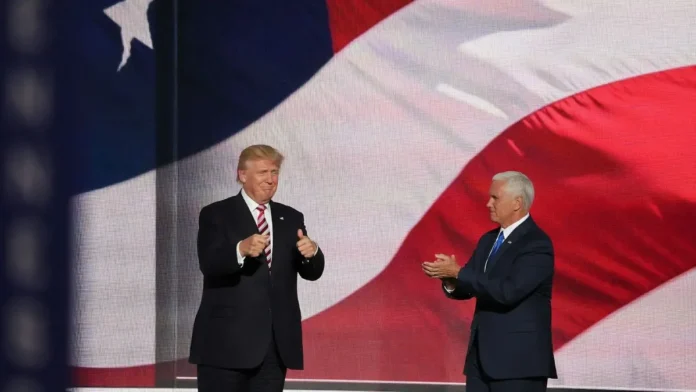

President Trump departs for Beijing today on the most consequential diplomatic trip of his second term — without the Iran deal he publicly predicted would be concluded before his departure. The MOU remains unsigned. Iran is still reviewing. And the China summit that was supposed to be a victory lap on the Iran war has become a working session on whether Beijing will help close it.
What Trump Is Asking Xi to Do
NBC News correspondent Kristen Welker confirmed Sunday morning: “China is the largest buyer of Iranian oil and has been backing Iran in this conflict. So to that end, Mr. Trump is expected to press Beijing to scale back that support and to help reopen the Strait of Hormuz.”
In the run-up to Trump’s widely anticipated May 14-15 visit to China, the U.S. president’s advisors have urged Beijing to pressure Iran to restore commercial shipping. In return, he expects Beijing to push Iran to stop threatening Gulf infrastructure and commercial shipping and to move toward reopening the Strait of Hormuz.
The ask has two components. First: scale back Chinese purchases of Iranian crude through the shadow fleet. China has been buying Iranian oil at 30-40% below market price — a windfall of approximately $60-70 million per day that provides Iran with its primary economic lifeline despite the US blockade.
If China reduces or suspends those purchases, the economic pressure on Iran becomes existential rather than merely painful. Second: actively pressure Tehran toward the MOU. China’s Wang Yi delivered the message publicly in Beijing on May 6 — “comprehensive ceasefire urgently needed.” Trump wants that message delivered more forcefully and privately at the level of Xi-to-Khamenei communication.
What Xi Wants in Return
If China can help establish lasting peace, that might boost its standing in negotiations on trade issues with the Trump administration. For Xi, the visit could present an opportunity to position Beijing as a responsible power before Trump’s visit, while limiting China’s own risks
China pushed back against Washington’s sanctions on Chinese refiners buying Iranian crude, invoking a “blocking rule” for the first time, directing companies not to comply with U.S. sanctions. The countervailing orders would place U.S. companies in the position of choosing between compliance with U.S. or Chinese regulatory regimes.
China’s invocation of a “blocking rule” — telling Chinese refiners not to comply with US secondary sanctions on Iranian crude purchases — is a significant escalation of economic warfare that happened before the summit. It gives Xi a specific concession he can offer Trump: agree to lift the blocking rule and instruct Chinese refiners to comply with secondary sanctions, in exchange for tariff relief or trade concessions from Washington.
The deal structure is visible: Trump needs China’s Iran leverage; Xi needs trade relief. The May 14-15 summit is where those two currencies are exchanged. Whether the resulting US-China agreement on Iran produces enough pressure on Tehran to finally deliver the MOU response is the central question the Beijing trip will answer.