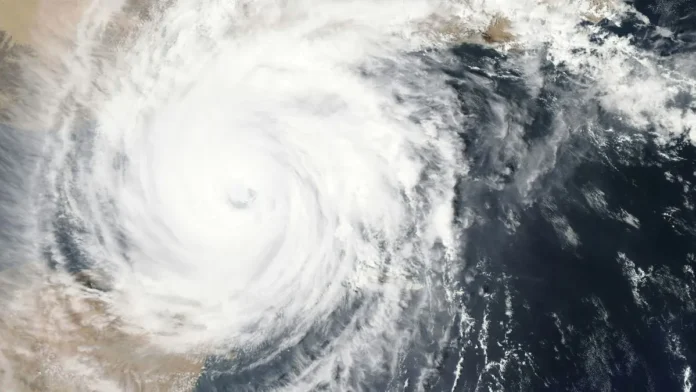

Tropical Storm Dexter, the fourth named storm of the 2025 Atlantic hurricane season, is currently traveling northeast in the Atlantic Ocean, away from the U.S. mainland. According to USA Today, the system is not expected to pose any land threat, and no coastal watches or warnings are currently active.
The storm developed from a low-pressure system near a stalled front off the southern Atlantic coast, the same system that caused flash flooding in parts of the Mid-Atlantic and Southeast over the past several days.
August 4: Warning Coordination Meteorologist Robbie Berg gives an update on what’s going on in the tropics across the Atlantic, including Tropical Storm Dexter, a tropical wave moving off the coast of Africa, and another area of disturbed weather that NHC will be monitoring later… pic.twitter.com/6GP0rB27yf
— National Hurricane Center (@NHC_Atlantic) August 4, 2025
🌀 The 2025 Atlantic hurricane season has been unusually quiet, the calmest in 16 years. But that’s beginning to change.
We’re currently monitoring two areas of potential tropical development, along with Tropical Storm Dexter, which is tracking east-northeast and moving away… pic.twitter.com/nfIgOrASQv
— TDS Weather (@TDSwx) August 4, 2025
Forecast: Winds Likely to Peak at 45 MPH
According to Philippe Papin, hurricane expert at the National Hurricane Center (NHC):
“Dexter would reach its highest sustained wind speed of 45 mph at 11 a.m. on August 4, moving northeast at roughly 14 mph.”
Due to hostile wind shear and dry air, Dexter is only expected to intensify slightly — with winds forecasted to increase by just 5 mph over the next day.
Storm Location and Development Timeline
Dexter officially became a tropical storm on the evening of August 3, developing from a disturbance along a frontal boundary off the North Carolina coast. By the morning of August 4, it was located approximately 250 miles northwest of Bermuda and was expected to remain north of the island.
Looking ahead, the National Hurricane Center says Dexter could face:
“Increasingly hostile conditions over the Atlantic by August 5,” and may eventually become “a remnant low or merge with an upper-level trough by August 8.”
What This Means for the 2025 Hurricane Season
According to Philip Klotzbach, senior research scientist at Colorado State University:
“The fourth-named storm of the Atlantic season often forms around August 3. The first hurricane typically forms around August 15.”
Dexter aligns with that seasonal pattern — signaling that the core of hurricane season is approaching.
Forecasters Watching Two Other Potential Systems
As of August 4, hurricane forecasters are also monitoring:
- A broad area of disturbed weather a few hundred miles off the U.S. Southeast coast.
- A tropical wave moving off the west coast of Africa.
The system near the Southeast has a 30% chance of developing into a tropical storm later this week and is slowly tracking westward, according to the NHC.
Flash Flood Risk: What the National Weather Service Is Tracking
While Dexter itself is moving away from land, the National Weather Service (NWS) offices in Charleston, SC, and Jacksonville, FL, remain on alert.
Though current conditions don’t involve a direct cyclone threat, the weather pattern may disrupt outdoor plans and travel. If one of the developing systems strengthens and moves inland, regions such as the Carolinas, Georgia, and Virginia may face increased flash flood risks.
Stay Updated
LoudFact will continue to monitor and update this story as new data emerges on Tropical Storm Dexter and any future developments in the Atlantic.