
For the first time in six weeks, the guns fell quiet in Lebanon. A 10-day ceasefire brokered by the United States between Israel and Lebanon — the long-missing piece in the Iran war diplomacy — took effect at 9 PM Beirut time on Thursday.
Within minutes of the hour, the sounds of automatic weapons fire rang across the Lebanese capital — not hostile fire, but gunshots of celebration as residents processed that the bombing had stopped.
By morning, the Lebanese army was already reporting violations.
What the Deal Says
Israel and Lebanon announced a 10-day ceasefire to allow negotiations for a more permanent security and peace agreement to continue. The truce was announced by US President Donald Trump on Thursday and came into effect at 21:00 GMT.
The ceasefire follows six weeks of fighting between Israel and the Iran-backed Lebanese group Hezbollah. In its war on Lebanon, Israel has killed at least 2,196 people and displaced more than one million.
Trump said on Truth Social late Thursday night that it “May have been a historic day for Lebanon. Good things are happening!!!”
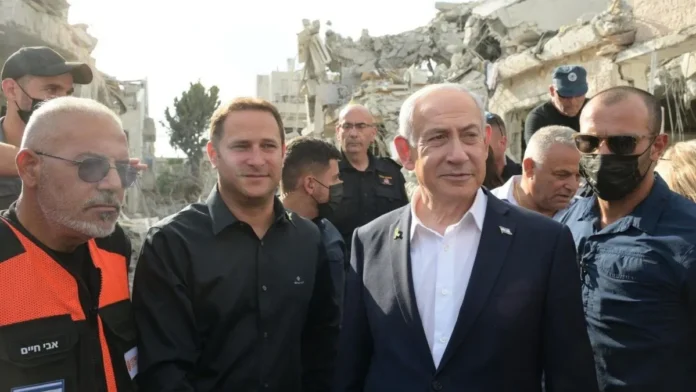
Israeli Prime Minister Benjamin Netanyahu said his government now has the opportunity to “make a historic deal” with Beirut. He said Israel had “agreed” to the temporary ceasefire but its forces would remain in Lebanon with an “extensive” security zone up to the Syrian border.
Beirut Reacts
Barrages of gunshots rang out across Beirut as residents fired into the air just after midnight to celebrate the beginning of the truce. Displaced families began moving toward southern Lebanon and Beirut’s southern suburbs despite warnings by officials not to attempt to return to their homes until it became clear whether the ceasefire would hold.
Lebanon’s President Joseph Aoun said the country was eager to stop the violence, and that an “essential step” to consolidating a ceasefire would be the withdrawal of Israeli forces from the south and the deployment of the Lebanese army down to the shared border.
The Fault Lines
The gap between what each side wants from this ceasefire is enormous — and the 10 days of the truce may not be enough to bridge it.
Israel has demanded that the Lebanese government disarm Hezbollah, which refuses to give up its arms as long as Israeli forces remain on the ground in Lebanon and pose a threat to the country.
Former Israeli diplomat Alon Pinkas dismissed Netanyahu’s framing of the deal: “Netanyahu says a lot of things. I wouldn’t take him at face value. He’s saying this because he was coerced into this by President Trump. This is not a ceasefire that he wanted.” He added: “I honestly cannot see any peace agreement being signed between Israel and Lebanon, with Hezbollah still armed.”
On Thursday, Ali Fayyad, a Hezbollah politician, told Al Jazeera that the group will approach the ceasefire with “caution and vigilance” and any targeting of Lebanese sites by Israeli forces will constitute a breach. “The next phase is thorny and fraught with pitfalls and challenges,” he said.
Why Lebanon Is Pivotal to the Iran Deal
The Lebanon ceasefire matters far beyond Lebanon. It was Tehran’s central demand throughout the Iran-US talks — Iran insisted Lebanon must be included in any comprehensive peace framework. With a Lebanon truce now in place, Iran’s position in talks shifts: it has secured the one outcome it said was non-negotiable.
That is precisely why Iran’s foreign minister announced the opening of the Strait of Hormuz within hours of the Lebanon ceasefire taking effect. The two moves are directly connected: Lebanon stops, Hormuz opens.
The 10 days of this ceasefire may determine whether the Islamabad talks’ second round, set to happen Monday, can produce what the first round could not.