
The Lebanon front of the Iran war produced its most intense 24-hour period in weeks on Saturday — as diplomatic negotiations between the US and Iran consumed international media attention, Israel conducted its largest single-day Lebanese operation since the ceasefire was extended.
The Saturday Strike Package
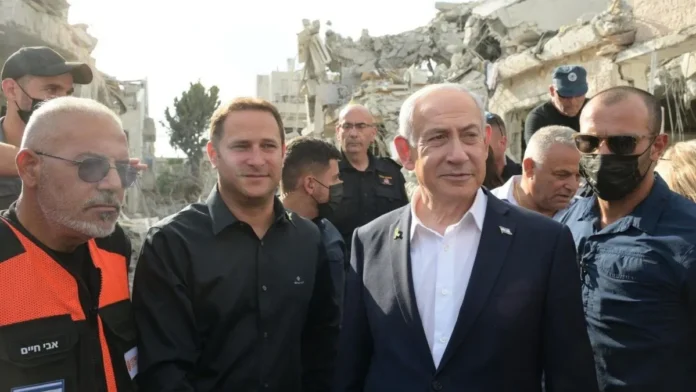
The Israel Defense Forces said that it struck “approximately 70 military structures and approximately 50 Hezbollah infrastructure sites” in several areas of Lebanon on Saturday.
Earlier Saturday, the IDF’s Arabic spokesperson warned the residents of nine towns and villages in southern Lebanon to evacuate ahead of strikes, urging people to “stay at least 1,000 meters away” from the locations and move to open areas. Lebanese state media reported late Saturday night that an Israeli strike on a mosque in the village of Saamaiyeh killed three people.
120 targets. Nine evacuation warnings. One mosque destroyed with three killed. This is the operational definition of what Israeli Defence Minister Katz described when he said Israel retains “freedom of action to thwart threats — immediate threats and emerging threats.” On Saturday, 120 Lebanese sites qualified as threats under that doctrine.
Hezbollah’s response was confirmed: The militants said they attacked a cluster of Israeli troops and vehicles in the south Lebanese town of Qantara.
The Arms Sales
The Trump administration has fast-tracked billions of dollars in arms sales to Israel, Qatar, the United Arab Emirates and Kuwait, according to statements released by the US State Department.
The timing of fast-tracked arms sales to Gulf states — while simultaneously negotiating with Iran through Pakistani mediators — is a dual-track strategy: diplomatic engagement on one level, military reinforcement of regional allies on another.
Qatar and Kuwait are both Gulf Cooperation Council states that host US military bases and that have been threatened by the IRGC’s warning that Gulf oil production sites could be targeted. UAE left OPEC on May 1 to pump more oil freely. Israel is actively bombing Lebanon. Each arms sale recipient has a specific strategic logic.
What Netanyahu Is Waiting For
In Lebanon, the ceasefire wasn’t decided by Netanyahu. It’s not something he wanted, but Trump decided on it and Israel had to oblige. The discussions focus on the reality it may be turning into an extremely costly war of attrition.
While all this waiting is happening and losses keep piling up, the Israeli prime minister is feeling the cost in the poll numbers, and he really has no choice but to wait for a signal from Washington.
Netanyahu is conducting 120-target Saturday strike packages in Lebanon because it is the only front where he has operational freedom. On the Iran front, the ceasefire constrains him. On Lebanon, it does not — and he is using that freedom as fully as possible while waiting for Trump to either accept an Iran deal that Netanyahu considers sufficient or authorise resumed Iran strikes.
The arms sales to Gulf states suggest Washington is preparing for a scenario where diplomacy fails and the military track resumes — ensuring that regional allies are adequately armed before that moment arrives.