
Tensions in the Middle East have entered a more volatile phase after Iran intensified its military posture across several strategic locations, triggering heightened diplomatic activity and market anxiety worldwide.
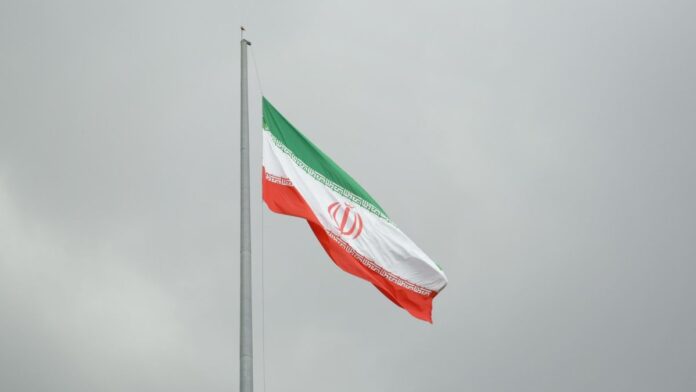
Over the past several days, Iranian authorities have issued firm public warnings, expanded defensive deployments near key maritime corridors, and imposed restrictions affecting segments of civilian air traffic. While officials describe the measures as precautionary, regional observers view them as a calibrated show of force aimed at deterring perceived external threats.
The developments come at a delicate moment for global stability. With oil prices already sensitive to supply disruptions and diplomatic negotiations at a fragile stage, even symbolic military gestures can reverberate through markets and political capitals alike.
What Triggered the Escalation?
Officials in Tehran cited national security concerns and foreign military activity in surrounding waters as justification for the moves. While specific operational details remain limited, maritime tracking data and regional security reports indicate increased naval patrols near critical shipping lanes.
The Strait of Hormuz, through which roughly one-fifth of global oil shipments transit daily, remains a focal point. Any perceived threat to that corridor immediately attracts global attention, particularly from energy importers in Europe and Asia.
Diplomatic channels have remained active, but public rhetoric has hardened. Statements from both Iranian officials and Western governments suggest that mistrust is deepening rather than easing.
Immediate Global Market Impact
Financial markets reacted quickly.
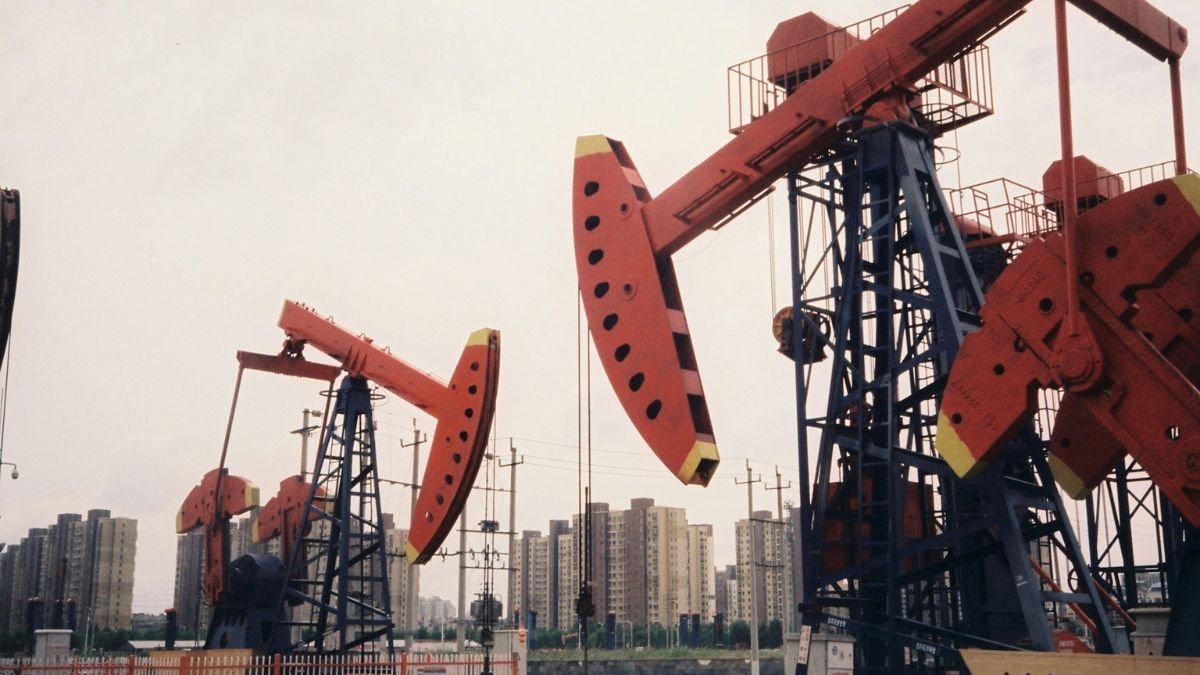
Energy traders priced in a modest risk premium, pushing crude oil benchmarks higher in early trading sessions. While the increases were not extreme, analysts note that sustained tension could amplify volatility.
Shipping insurers also reassessed risk exposure in the Gulf region. Even minor increases in war-risk insurance premiums can raise transportation costs, affecting everything from fuel to consumer goods.
Stock markets in Asia and Europe reflected cautious sentiment, with investors rotating into traditional safe-haven assets such as gold and government bonds.
Why Aviation Restrictions Matter
Among the more notable measures was Iran’s restriction of certain civilian aviation activities.
While commercial international routes remain largely operational, segments of general aviation and domestic airspace were temporarily limited. Aviation experts point out that such measures are often precautionary, intended to reduce congestion or risk during military readiness periods.
However, aviation restrictions can send broader signals. They often indicate a government is bracing for potential escalation or preparing for heightened alert status.
The Diplomatic Landscape
Behind the scenes, multiple governments are attempting to contain the situation.
Regional powers have called for de-escalation. European diplomats have reportedly engaged in back-channel discussions focused on restoring confidence-building mechanisms.
At the same time, political analysts caution that domestic pressures within each country may complicate compromise. Public opinion, national pride, and regional rivalries frequently constrain diplomatic flexibility.
What Happens Next?
Several indicators will determine whether the current tension stabilizes or intensifies:
- Naval incidents or confrontations in Gulf waters
- Expansion of airspace closures
- Additional economic sanctions or retaliatory measures
- Emergency diplomatic summits
- Movement in global oil futures beyond short-term volatility
For now, the situation remains fluid but contained. Yet the margin for miscalculation is narrow.
The coming days will test whether strategic signaling transitions into negotiated restraint — or whether it sets off a broader cycle of retaliation.