
For many years, climate change discussions focused primarily on the environment. Rising temperatures. Melting ice. Sea-level rise. Extreme weather. Those issues remain important. But increasingly, scientists and healthcare professionals are framing climate change differently.
They are treating it as a public health issue. This shift reflects growing evidence that climate impacts extend directly into human health and healthcare systems.
Heat Is Becoming a Major Health Concern
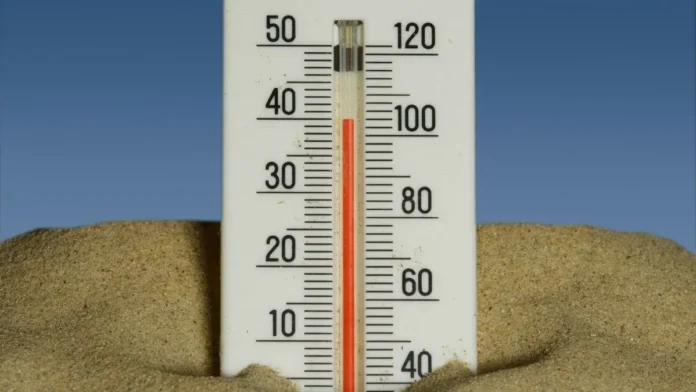
One of the clearest examples involves extreme heat. Heatwaves are becoming more frequent and more intense in many parts of the world. For vulnerable populations, including older adults and people with pre-existing conditions, heat can pose serious risks.
Hospitals and emergency services increasingly plan for periods of extreme temperatures. The challenge is no longer hypothetical. It is operational.
Air Quality and Respiratory Health
Climate change also influences air quality. Wildfires can increase particulate pollution. Higher temperatures can worsen air quality conditions in some regions. Poor air quality affects respiratory health and can increase healthcare burdens. These impacts are increasingly recognized by public health officials.
Infectious Disease Risks
Changing environmental conditions can also affect disease patterns. Warmer temperatures may influence the geographic range of certain disease-carrying insects. Researchers continue to study how climate factors interact with public health outcomes. While effects vary by region, the issue has become an important area of scientific attention.
Healthcare Systems Face New Pressures
Health systems are adapting. Hospitals are reviewing emergency preparedness plans. Public health agencies are strengthening monitoring systems. Governments are exploring policies designed to improve resilience. These efforts reflect recognition that climate impacts can affect healthcare demand.
Why Policymakers Are Paying Attention
The economic implications are significant. Health-related climate impacts can increase costs. They can affect workforce productivity. They can place pressure on public services. This creates incentives for policymakers to integrate climate considerations into health planning.
A Global Challenge
Climate-related health impacts vary across regions. Some areas face heat-related risks. Others face flooding, storms or air-quality challenges. Despite these differences, the broader trend is clear. Health considerations are becoming more central to climate policy discussions.
What Happens Next
Researchers continue to expand understanding of climate-health relationships. Governments are developing adaptation strategies. Healthcare systems are investing in resilience. The conversation is likely to grow more prominent over time.
Conclusion
Climate change remains an environmental issue. But it is increasingly recognized as a health issue as well. Understanding that connection may become one of the most important challenges for policymakers, healthcare professionals and communities in the decades ahead.