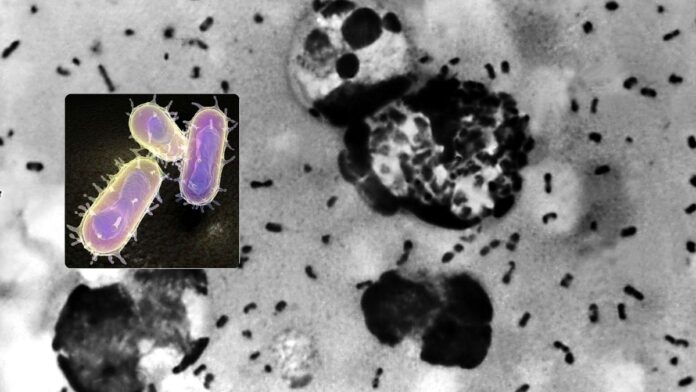

Coconino County health officials reported on July 11 that a person in northern Arizona died from bubonic (pneumonic) plague. According to the officials, this incident is unrelated to a recent prairie dog die-off in the region.
First Pneumonic Plague Death Since 2007
Authorities from Coconino County Health and Human Services stated that the person’s death marks the first pneumonic plague mortality in the county since 2007. The patient was diagnosed with Yersinia pestis, the bacteria responsible for the plague, as confirmed by Northern Arizona Healthcare through rapid diagnostic testing by the Arizona Department of Health Services.
Bubonic Plague: Facts
Historically, the plague has been linked to Europe’s Middle Ages, causing one of the bloodiest outbreaks in the continent’s history, often referred to as “The Black Death.” According to the Centers for Disease Control and Prevention (CDC), there have been an average of seven cases of bubonic plague reported annually in the U.S. since 2000, making instances of the disease exceedingly rare. The last death from the plague in the U.S. occurred in 2021.
Most documented cases originate from the southwestern states, including Arizona, New Mexico, southern Colorado, Nevada, California, and southern Oregon.
Bubonic Plague: Causes and Symptoms
The CDC reports that fleas and wild rodents are the primary carriers of the bacteria responsible for the plague. It is typically contracted through contact with an infected animal or bites from an infected rodent flea.
Common symptoms include:
- Fever
- Headaches
- Chills
- Weakness
- Swollen, sore lymph nodes
Bubonic Plague: Prevention and Treatment
Health officials state that if detected and treated early, the illness can be effectively managed with appropriate antibiotic therapy. It can progress to pneumonic (affecting the lungs) or septicemic (spreading through the bloodstream) forms.
To prevent exposure to the plague, individuals should avoid contact with wild animals and fleas and seek veterinary care for sick pets.