
The economic damage of the Iran war will not end when the diplomacy does. The Pentagon delivered a classified briefing to Congressional lawmakers this week that made clear: even after a peace agreement is signed, the Strait of Hormuz will not immediately return to normal. The reason is mines.
What the Pentagon Told Congress
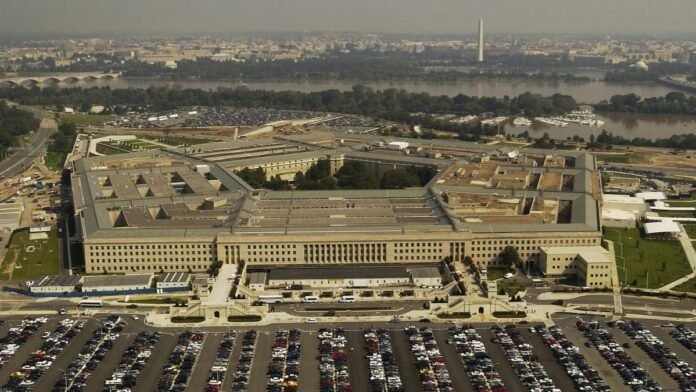
It could take six months to fully clear the Strait of Hormuz of mines deployed by the Iranian military, and any such operation is unlikely to be carried out until the US war with Iran ends, according to a senior Defense Department official who shared this assessment during a classified briefing Tuesday for members of the House Armed Services Committee.
The Washington Post reported that the timeline “met with frustration by Democrats and Republicans alike” and is “the latest sign that gasoline and oil prices could remain elevated long after any peace deal is reached.”
A Pentagon spokesman said a six-month closure would be “unacceptable” — but being unacceptable and being avoidable are not the same thing. Mine clearance follows physical laws, not political ones.
Why Mine Clearance Takes So Long
The Strait of Hormuz is 34 kilometres wide at its narrowest point but the navigable shipping channels are significantly narrower. Iran has deployed a combination of contact mines — which detonate on physical impact with a vessel — and moored mines, which are anchored to the seabed and float at depth.
Iran reportedly lost track of some of the mines it placed in the Strait during the early weeks of the war, meaning even Iran cannot provide a complete map of what has been deployed where. A mine clearance operation must therefore be conducted as a comprehensive survey — using mine-hunting vessels, remotely operated underwater vehicles, sonar systems, and explosive ordnance disposal divers — across the full extent of the shipping lanes.
According to US Central Command, in the short term it is possible to escort 3-4 commercial ships a day with 7-8 destroyers providing air cover, but doing so sustainably for months requires more resources.
Escort operations and mine clearance are different missions. Escort allows some ships to transit under military protection; clearance makes the waterway safe for all commercial traffic without military accompaniment. Only clearance restores the commercial normality that oil markets require.
What Six Months Means for Energy Markets
The ceasefire began April 8. Even in the optimistic scenario where a peace agreement is reached within the next two weeks, a mine-clearance operation starting in early May would not complete until November 2026 at the earliest.
November. Seven months from now. Seven months of oil prices elevated above pre-war levels, jet fuel shortages, LNG spot market disruptions, European gas storage deficits, and supply chain disruptions for goods ranging from electronics to food packaging that flow through Gulf shipping lanes.
The head of the International Energy Agency warned that Europe has “maybe six weeks” of jet fuel supplies remaining. European Union transportation ministers were meeting in Brussels to discuss how to protect consumers.
Six weeks of jet fuel and six months to clear the mines. The gap between those two numbers is the economic catastrophe that is still unfolding regardless of what happens diplomatically in Islamabad this week.
The Mine-Clearance Coalition
This is precisely why the UK and France are leading a 30-nation military planning conference in London this week. The mine clearance mission is not something the US can or will do alone — it requires specialist vessels, international coordination, and sustained political commitment beyond the end of active hostilities.
Military planners from over 30 nations are advancing detailed planning to reopen the Strait of Hormuz at the UK’s Permanent Joint Headquarters at Northwood, North London. The sessions will advance military plans to reopen the Strait, as soon as conditions permit, following a sustainable ceasefire agreement.
“As soon as conditions permit” is doing a lot of work in that sentiment. The conditions include not just a ceasefire but a secure enough environment to deploy mine-clearance vessels in Iranian-controlled waters — something that requires active cooperation from Tehran, not just a signed document in Islamabad.
The six-month timeline is the most honest assessment of the Iran war’s true economic duration that has emerged from any official source. It should reshape how everyone — from central bankers setting interest rates to airlines planning summer routes to families budgeting for fuel costs — thoughts about when this crisis actually ends.