
The Vatican has issued a strong appeal for peace as the conflict between Iran, Israel and allied forces continues to escalate across the Middle East.
During his weekly address at St. Peter’s Square, Pope Leo urged world leaders to halt the ongoing bombardments and pursue diplomatic dialogue to prevent further violence.
The pontiff warned that the expanding conflict risks creating a humanitarian catastrophe and destabilizing an already fragile region.
The appeal reflects growing concern among international institutions and religious leaders that the war could spiral into a wider confrontation involving additional countries.
For the Vatican, the message is clear: diplomacy must take precedence over military escalation.
What Happened
Speaking to thousands gathered in Vatican City, Pope Leo called for an immediate end to the bombings across the Middle East.
He emphasized that war brings suffering primarily to civilians, urging leaders to prioritize peace negotiations.
The pontiff specifically warned that escalating military operations could:
- worsen humanitarian crises in affected areas
- increase displacement of civilian populations
- heighten political instability across the region
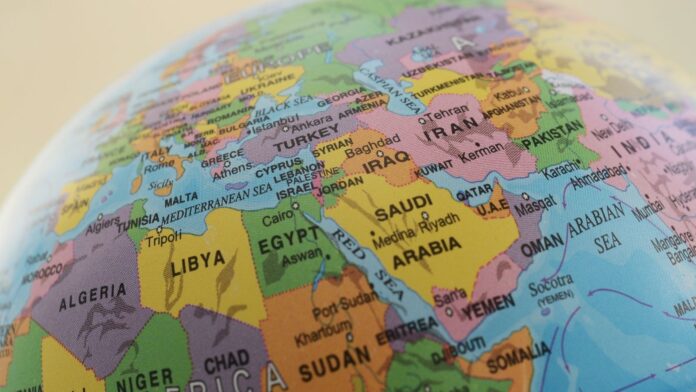
The Vatican’s statement comes as missile strikes, drone attacks and air campaigns continue across several Middle Eastern countries.
Why the Vatican’s Voice Matters
The Vatican does not possess military power, but it holds significant diplomatic and moral influence on the global stage.
Historically, papal appeals for peace have played symbolic roles during major conflicts.
Popes have often used their platform to advocate:
- humanitarian assistance
- international mediation
- protection of civilians during conflict
The Vatican maintains diplomatic relations with more than 180 countries, allowing it to participate in global discussions about peace and conflict resolution.
Growing Humanitarian Concerns
As the conflict expands, humanitarian organizations are warning about the consequences for civilians.
Airstrikes and missile attacks have already damaged infrastructure and displaced thousands of people across parts of the region.
Humanitarian agencies say the conflict could worsen existing challenges such as:
- refugee displacement
- food insecurity
- limited access to medical care
International relief groups are preparing contingency plans to respond if the conflict spreads further.
Diplomatic Efforts Underway
Several governments and international organizations are attempting to prevent the conflict from expanding.
Diplomatic efforts are focused on:
- establishing ceasefire negotiations
- protecting civilian populations
- preventing attacks on energy infrastructure
The Vatican’s appeal adds moral pressure to these diplomatic initiatives.
While the papal statement does not carry legal authority, it reinforces international calls for restraint.
Religious Leaders and Peace Advocacy
Religious institutions have historically played roles in promoting peace during conflicts.
Leaders from various faith traditions have joined the Vatican in calling for dialogue and non-violent solutions.
These appeals often emphasize the shared human consequences of war.
For many religious leaders, the goal is not only to stop immediate violence but also to encourage long-term reconciliation.
Global Reaction
The Pope’s remarks have received mixed reactions across the international community.
Supporters of the appeal argue that religious leaders can help mobilize global public opinion in favor of peace.
Critics say that moral appeals alone may not be enough to influence complex geopolitical conflicts.
Nevertheless, the Vatican’s intervention highlights the broader international concern about the direction of the crisis.
What Next
Whether diplomatic efforts succeed will depend largely on decisions made by political and military leaders in the coming days.
Several possible scenarios remain:
- escalation of military operations
- temporary ceasefire agreements
- expanded international mediation efforts
For now, the Vatican’s message underscores the urgency of preventing further violence.
As Pope Leo concluded in his address, peace remains the only path capable of protecting both human lives and long-term stability in the region.