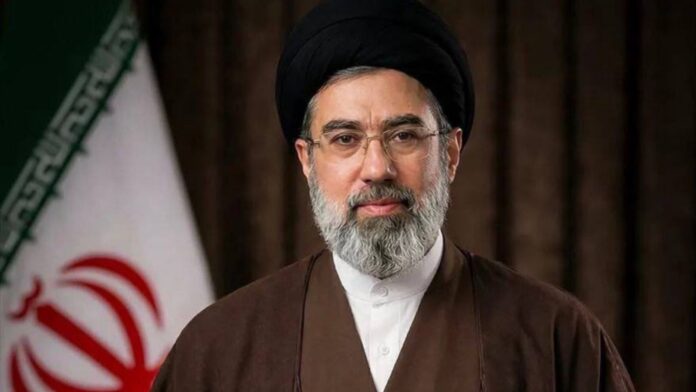

Iran has appointed Mojtaba Khamenei, the son of the late Ayatollah Ali Khamenei, as the country’s new supreme leader during an escalating conflict with Israel and the United States.
The leadership change marks a historic moment in Iranian politics. Mojtaba Khamenei becomes only the third supreme leader in the Islamic Republic’s history, inheriting authority over Iran’s military, nuclear program and strategic policy during one of the most dangerous regional crises in decades.
At the same time, the war has triggered dramatic consequences in global energy markets. Oil prices have surged close to $120 per barrel, reflecting fears that prolonged conflict could disrupt shipping through the Strait of Hormuz and other key energy routes.
Together, these developments signal a turning point in the Middle East crisis.
What Happened
Iran’s Assembly of Experts announced Mojtaba Khamenei’s appointment following the death of Ayatollah Ali Khamenei during recent airstrikes.
The 56-year-old cleric is widely viewed as a hard-line figure with strong ties to Iran’s Revolutionary Guard.
His leadership begins amid several ongoing developments:
- missile and drone attacks targeting regional energy infrastructure
- Israeli airstrikes across Iranian and Hezbollah-linked targets
- expanding conflict across Gulf states
Civilian casualties have been reported in several countries, while regional governments have increased military readiness.
Why the Leadership Transition Matters
The role of Iran’s supreme leader is central to the country’s political system.
The position holds authority over:
- military strategy
- nuclear policy
- intelligence operations
- long-term geopolitical direction
Because the supreme leader ultimately controls the Revolutionary Guard and Iran’s missile forces, leadership changes can dramatically influence regional security.
Analysts say Mojtaba Khamenei’s appointment suggests continuity rather than moderation.
Energy Markets in Turmoil
The war has also created one of the most severe energy shocks in years.
Oil prices have surged past $100 per barrel for the first time since 2022, with Brent crude peaking near $119.50.
Several factors are driving the surge:
- damage to Gulf energy infrastructure
- disruption to tanker traffic
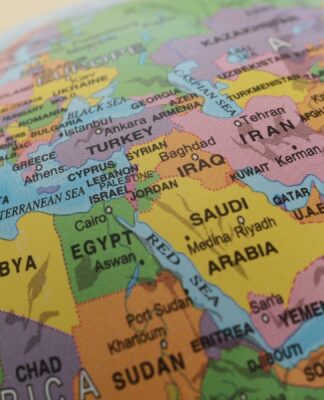
- fears of shipping restrictions in the Strait of Hormuz
The strait handles about one-fifth of global oil supply, making it one of the most critical chokepoints in the global economy.
If the conflict continues to escalate, analysts warn oil prices could climb further.
Global Economic Consequences
The energy shock is already affecting global markets.
Stock markets across Asia have experienced sell-offs, while governments are exploring emergency measures to stabilize fuel prices.
Higher oil prices can influence:
- inflation rates
- transportation costs
- manufacturing expenses
- global economic growth
Many countries in Asia and Europe rely heavily on Middle Eastern energy supplies, making them particularly vulnerable to disruptions.
What Next
Several developments will shape the next phase of the crisis:
1. Iran’s new leadership direction: Mojtaba Khamenei’s strategy will determine whether Iran escalates or pursues negotiations.
2. Energy market stability: Further disruption to shipping could push oil prices even higher.
3. International diplomacy: Global powers may attempt mediation to prevent a wider war.
For now, the appointment of a new supreme leader during active conflict underscores the volatile nature of the crisis.