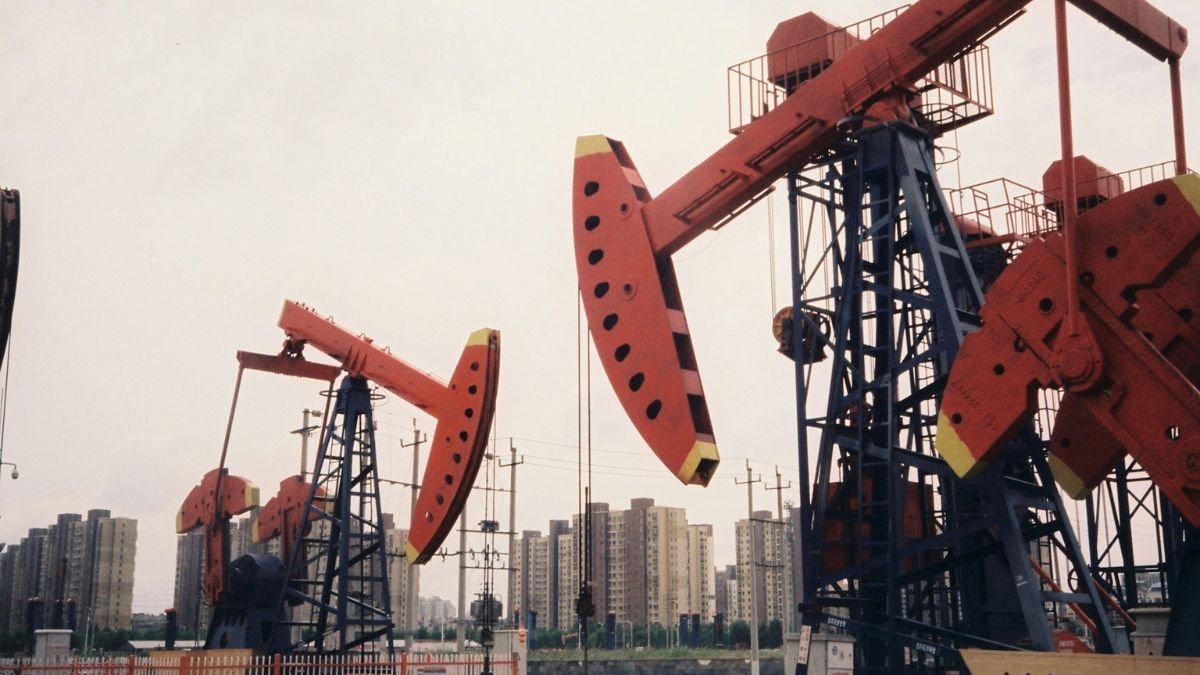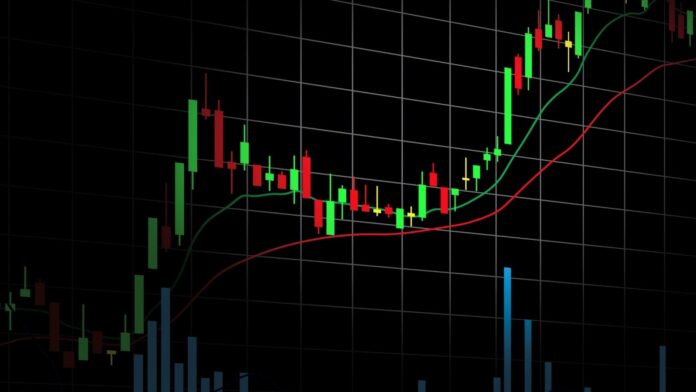

Global financial markets are entering a period of heightened uncertainty as the surge in oil prices triggered by the escalating Iran conflict sends shockwaves across the global economy.
Brent crude prices have climbed above $100 per barrel for the first time in several years, a move that has forced investors, central banks and policymakers to reconsider their outlook for global growth.
Energy shocks have historically played a major role in shaping economic cycles, and analysts say the current crisis could test the resilience of global markets.
For Wall Street and major financial centers around the world, the question is no longer whether the conflict will affect markets — but how severe the impact could become.
What Happened
Oil prices surged sharply following reports of escalating military activity in the Middle East and disruptions to key shipping routes.
The rapid increase reflects concerns that the conflict could threaten oil production and transportation across the region.
Energy traders are particularly focused on the Strait of Hormuz, a narrow shipping corridor through which roughly one-fifth of global oil supply passes.
If tanker traffic through the strait were disrupted, the consequences for energy markets could be dramatic.
Even the possibility of supply interruptions has been enough to push prices sharply higher.
Why Markets Are Sensitive to Oil Prices
Oil plays a central role in the global economy.
Energy costs influence:
- transportation prices
- manufacturing expenses
- electricity generation
- agricultural production
When oil prices rise sharply, the effects often ripple through multiple sectors of the economy.
This is why investors watch energy markets closely during geopolitical crises.
Higher oil prices can quickly translate into higher inflation and slower economic growth.
Impact on Stock Markets
Stock markets often react quickly to energy shocks.
Some sectors benefit from rising oil prices, particularly energy companies and commodity producers.
However, many industries face challenges when energy costs increase.
Sectors most affected include:
- airlines
- shipping and logistics
- manufacturing
- consumer goods
Higher fuel costs can reduce profit margins and lead companies to raise prices.
As a result, investors are reassessing the outlook for corporate earnings.
Inflation Concerns Return
The surge in oil prices also raises concerns about inflation.
Over the past two years, central banks around the world have been trying to bring inflation under control through higher interest rates.
A sudden increase in energy prices could complicate that effort.
Higher fuel costs often push up prices for goods and services, making it more difficult for central banks to stabilize inflation.
If inflation rises again, policymakers may face pressure to keep interest rates higher for longer.
Central Banks Watching Closely
Major central banks are closely monitoring developments in energy markets.
Institutions such as the Federal Reserve, the European Central Bank and the Bank of Japan all consider oil prices an important indicator of economic risk.
If the current surge continues, central banks may need to adjust their economic forecasts.
The challenge for policymakers is balancing inflation control with maintaining economic growth.
Investor Strategy in Uncertain Times
Periods of geopolitical tension often lead investors to shift their portfolios toward assets considered safer during market turbulence.
These include:
- gold
- government bonds
- commodity investments
Such assets are often described as “safe havens” because they tend to perform better during periods of uncertainty.
At the same time, investors are carefully monitoring developments in the Middle East to assess how long the energy shock might last.
What Next
The future direction of markets will depend heavily on developments in the Middle East conflict.
Several factors could influence market sentiment in the coming weeks:
- Military developments affecting energy infrastructure
- Decisions by oil-producing countries to increase output
- Potential release of strategic petroleum reserves
If oil prices stabilize, markets could recover quickly.
However, if disruptions to energy supply persist, the global economy may face a more prolonged period of volatility.
For now, investors are watching closely as the energy shock tests the resilience of global markets.