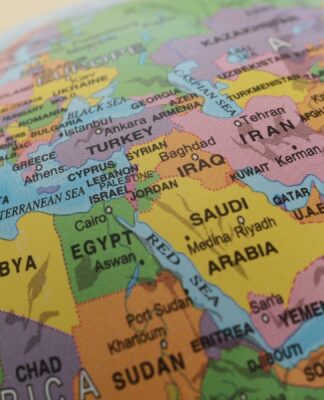

Governments are beginning to prepare emergency energy measures as the Iran conflict continues to disrupt global oil markets.
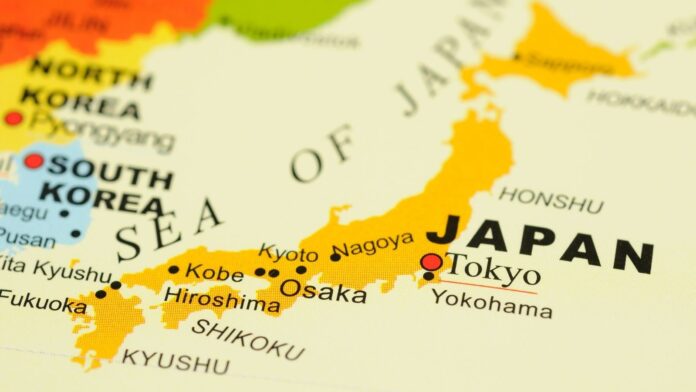
Japan has instructed operators of its national oil reserves to prepare for a possible release of strategic crude supplies in response to the escalating crisis.
The move highlights the growing concern among major economies that prolonged conflict in the Middle East could significantly disrupt global energy supplies.
Strategic petroleum reserves are designed to stabilize markets during supply shocks, and the current crisis is increasingly being viewed as a potential trigger for their use.
Why Strategic Reserves Matter
Strategic oil reserves are emergency stockpiles maintained by governments to protect against sudden supply disruptions.
Countries such as:
- Japan
- the United States
- South Korea
- China
store millions of barrels of oil that can be released into the market during crises.
These reserves were previously used during events such as the Gulf War and the global energy disruptions triggered by geopolitical conflicts.
Impact of the Iran War on Energy Markets
The ongoing conflict has already disrupted shipping routes and energy infrastructure across parts of the Middle East.
Oil markets are reacting to concerns that:
- tanker traffic could be interrupted
- energy infrastructure may be targeted
- geopolitical tensions may persist for weeks or months
These risks have pushed energy prices higher and increased volatility in global markets.
Global Economic Implications
Rising energy prices can affect multiple sectors of the global economy.
Industries most sensitive to oil price changes include:
- aviation
- shipping
- manufacturing
- logistics
Higher energy costs can also increase inflation, forcing central banks to reconsider monetary policy decisions.
What Next
Energy analysts say the next phase of the crisis will depend largely on developments in the Middle East.
Key factors to watch include:
- shipping activity near key energy routes
- military operations affecting energy infrastructure
- decisions by major oil-producing countries
For now, governments around the world are preparing contingency plans to ensure energy supply stability.