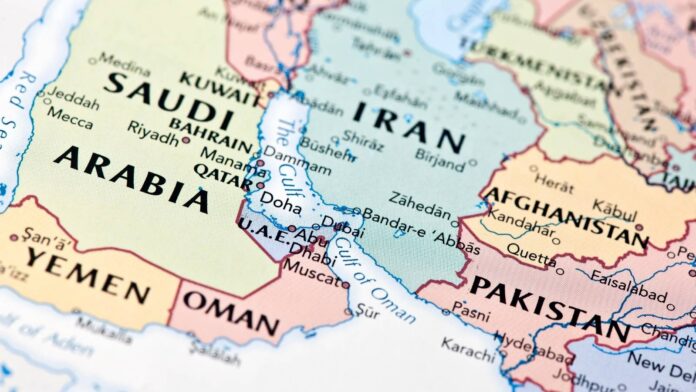

As the Middle East conflict intensifies, attention is shifting toward a single strategic chokepoint: The Strait of Hormuz.
Regional powers have convened urgent talks to address disruptions to this critical waterway, which normally carries around 20% of global oil and LNG supplies.
The urgency reflects a growing realization: This is no longer just a military conflict. It is a systemic risk to the global economy.
Why Hormuz Matters
The Strait of Hormuz is one of the most important energy corridors in the world.
Any disruption here has immediate consequences:
- oil prices rise
- supply chains tighten
- inflation pressures increase
Even partial restrictions can trigger global market reactions.
Diplomatic Efforts Intensify
Countries including Turkey, Saudi Arabia and Egypt are now engaged in discussions aimed at stabilizing the situation.
Proposals include:
- coordinated maritime management
- safe passage agreements
- joint oversight mechanisms
These efforts highlight the scale of concern.
The Challenge of Reopening
Reopening Hormuz is not straightforward.
It requires:
- agreement from multiple parties
- security guarantees
- operational coordination
Without these, risks remain high.
Markets React to Uncertainty
Energy markets are already reflecting the risk.
Oil prices have surged amid concerns that disruptions could persist.
Investors are pricing in:
- prolonged instability
- supply uncertainty
- geopolitical risk
Why This Crisis Is Different
Previous disruptions were temporary.
This one is structural.
It involves:
- active conflict
- multiple actors
- strategic chokepoints
What Happens Next
Possible outcomes:
1. Partial Reopening: Limited flow with high risk.
2. Managed Corridor: International coordination stabilizes routes.
3. Continued Disruption: Prolonged impact on global markets.
Conclusion
The Strait of Hormuz is no longer just a geographic location. It is the center of a global risk system. And what happens there will shape the economic consequences of this war.