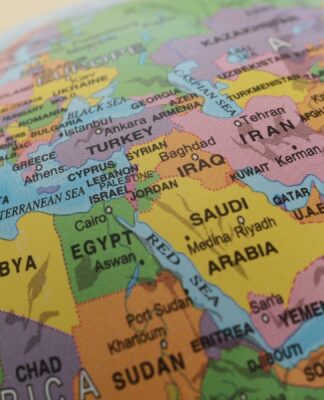
Oil markets are experiencing intense volatility as escalating conflict in the Middle East disrupts supply routes and pushes energy prices sharply higher.
Prices briefly surged above $100 per barrel, reflecting fears that global oil supply could face one of the largest disruptions in modern energy markets.
Governments have responded by coordinating a major release of strategic petroleum reserves in an effort to calm markets.
What Triggered the Price Surge
The sharp rise in oil prices follows a series of attacks and security incidents affecting shipping routes and energy infrastructure across the Persian Gulf.
The Strait of Hormuz — through which roughly one-fifth of global seaborne oil flows — has become a focal point of concern.
Disruption to this corridor immediately affects global energy markets.
Analysts say supply losses could reach millions of barrels per day if disruptions continue.
Strategic Oil Release
To prevent a deeper market shock, several governments have coordinated the release of strategic oil reserves.
The United States and its allies announced a massive release totaling hundreds of millions of barrels from emergency reserves.
The goal is to stabilize supply and reduce price volatility while markets adjust to the geopolitical crisis.
Strategic petroleum reserves are typically used during major supply disruptions such as wars, natural disasters or embargoes.
Market Reaction
Energy markets responded immediately to the crisis.
Oil prices surged, energy stocks rose, and investors moved cautiously across financial markets.
At the same time, industries heavily dependent on fuel — including airlines, shipping and logistics companies — face rising operational costs.
Inflation Risks
Higher energy prices can quickly ripple through the global economy.
When oil prices rise, they often drive increases in:
- transportation costs
- manufacturing expenses
- electricity generation costs
- consumer prices
Economists warn that sustained high oil prices could increase inflation pressure in multiple regions.
Economic Outlook
Several financial institutions have already revised economic forecasts as a result of the crisis.
If oil prices remain elevated for a prolonged period, global economic growth could slow.
Some analysts warn that prolonged energy disruptions could trigger recession risks in several advanced economies.
What Happens Next
Energy traders and policymakers are closely monitoring developments in the Middle East.
The future trajectory of oil markets will depend heavily on whether supply routes stabilize or remain disrupted.
For now, the global economy is adjusting to a new wave of geopolitical energy risk.