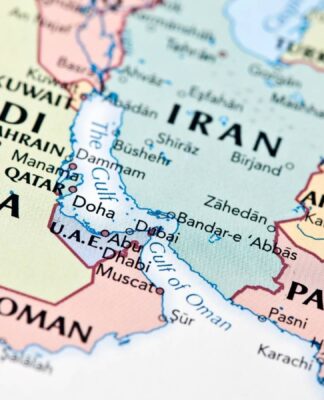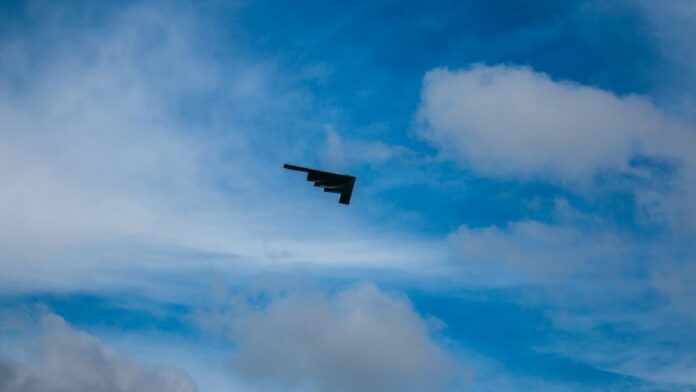

The war has entered a new military phase. The United States has begun flying B-52 bombers over Iran, marking a significant escalation in aerial operations.
This is not a symbolic move. It is strategic.
Why B-52 Matters
The B-52 is designed for:
- long-range strikes
- heavy payload delivery
- sustained operations
Its deployment signals:
- operational confidence
- escalation readiness
- expanded strike capability
Scale of the Campaign
The numbers already reflect the intensity:
- over 11,000 targets reportedly hit
- more than 150 naval vessels destroyed
This is not limited warfare. It is systemic.
- Advertisement -
A Contradiction in Strategy
Despite the escalation, US leadership has suggested the war could end within weeks.
This creates a contradiction:
- messaging → short timeline
- military → sustained escalation
Global Reaction
International response is shifting:
- calls for de-escalation are increasing
- some allies are limiting military cooperation
- pressure on US strategy is growing
Strategic Implications
The use of heavy bombers changes:
- strike depth
- operational tempo
- escalation thresholds
It increases both capability and risk.
What Happens Next
Possible developments include:
- deeper strikes into infrastructure
- expanded air campaigns
- counter-responses from Iran
Conclusion
The deployment of B-52 bombers is not just escalation. It is a signal.
The war is entering a phase defined by scale — and that makes it harder to contain.