
After weeks of sustained airstrikes, a clearer picture is emerging of the war’s military impact.
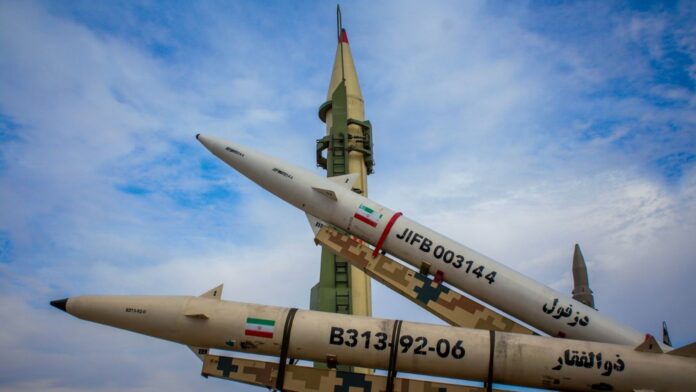
Iran’s missile infrastructure has suffered significant damage, with multiple launch sites and production facilities reportedly hit.
But the key insight is not the damage. It is the resilience.
What Has Been Hit
Satellite analysis shows:
- destruction of launch facilities
- damage to production centers
- disruption of fuel and storage systems
These strikes have reduced Iran’s ability to launch large-scale attacks.
What Still Remains
Despite this, Iran continues to launch missiles.
This is possible because of:
- decentralized systems
- mobile launch platforms
- underground facilities
These factors make complete neutralization difficult.
The Limits of Air Campaigns
Airstrikes can degrade capability. But they rarely eliminate it entirely.
Especially when:
- infrastructure is dispersed
- systems are hardened
- production can be restored
This creates a prolonged conflict dynamic.
Strategic Implications
The situation now reflects a balance:
- reduced capability
- continued threat
This balance sustains the conflict.
Why This Matters
If Iran’s missile network had been fully neutralized, escalation might slow.
Instead, the continued capability means:
- ongoing strikes
- continued defense pressure
- prolonged instability
What Happens Next
Possible developments:
1. Continued Degradation: Further strikes reduce capability.
2. Adaptation: Iran shifts to mobile and hidden systems.
3. Prolonged Stalemate: Both sides maintain pressure.
Conclusion
The missile network is damaged. But it is not defeated. And as long as it remains active, the conflict will continue.