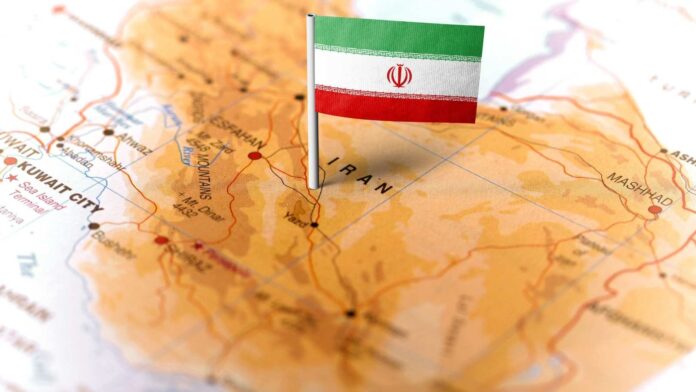

The widening war involving Iran, the United States and Israel is rapidly reshaping geopolitical alliances across the Middle East.
Governments across the Gulf are reassessing security strategies while regional diplomacy accelerates in response to the crisis.
The conflict has highlighted the delicate balance of power that defines the region’s political landscape.
Regional Security Calculations
Several Gulf states have increased military readiness as tensions rise.
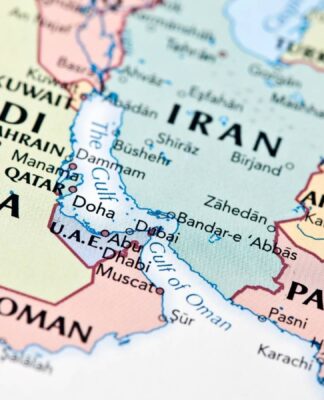
Governments are reinforcing air defenses and expanding naval patrols around critical shipping lanes.
The goal is to protect key infrastructure including:
- oil terminals
- shipping routes
- energy production facilities
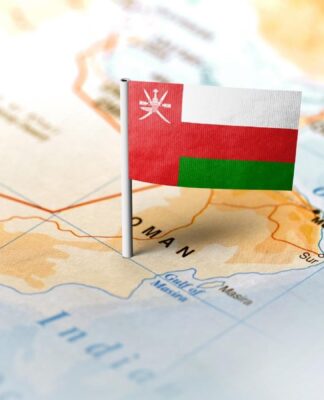
The recent attack on energy infrastructure in Oman underscores the growing risks faced by regional states.
Diplomatic Balancing
At the same time, governments are pursuing diplomatic efforts to prevent the conflict from spreading.
Many regional powers are attempting to maintain relations with both Western allies and Iran, seeking to avoid being drawn directly into the war.
This balancing strategy reflects the complex political dynamics of the Middle East.
Global Strategic Stakes
The conflict has drawn intense attention from major global powers.
The region remains central to global energy supply, international trade routes and geopolitical influence.
As a result, developments in the conflict are closely monitored by governments worldwide.
What Happens Next
Whether the war reshapes long-term alliances will depend largely on how long the conflict continues.
If tensions persist, the Middle East could see a major realignment of security partnerships and defense cooperation.