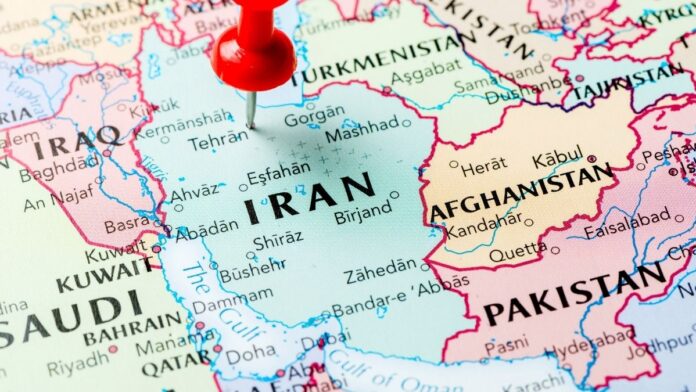

Tensions in the Middle East have surged dramatically following coordinated U.S. and Israeli military strikes on key Iranian military and strategic targets. The operation, described by U.S. officials as an effort to degrade Tehran’s ability to project regional force, has triggered waves of retaliation, shifting alliances and raising concerns of a wider conflict that could engulf neighbouring states and destabilise global energy markets.
Why This Matters
The recent escalation follows months of mounting hostility between Tehran, Washington and its allies. The death of Iran’s Supreme Leader Ayatollah Ali Khamenei earlier in the conflict has already disrupted Iran’s political order and intensified uncertainty.
Regional Military Responses
Following the strikes:
- Iran launched dozens of missiles across the Middle East targeting U.S. military bases and allied infrastructure.
- UAE reported intercepting numerous ballistic missiles while regional air defence systems were fully activated.
- Civilian infrastructure, including hospitals in parts of Tehran, suffered damage, raising concerns of humanitarian fallout.
Diplomacy Amid Fire
World powers have reacted cautiously:
- European Union leaders called for maximum restraint and respect for international law.
- Britain activated assistance coordination for UK nationals in Gulf states.
- Calls for de-escalation are intensifying even as military engagements continue.
Economic and Energy Implications
Global markets have responded sharply:
- Oil prices spiked due to fears of disruption through the Strait of Hormuz, a critical chokepoint for global crude.
- Stock markets showed volatility with safe-haven assets such as gold gaining traction.
What Comes Next
Analysts are watching:
- The stability of Iran’s political succession
- Potential expansion of hostilities into neighbouring countries
- Ongoing diplomatic negotiations in Geneva and beyond
This conflict has moved beyond battlefield tactics — it now influences global trade, energy stability and geopolitical balance.